
The Surreal Presence of Imaginary Friends: Unveiling the Inner Companions of Childhood and Beyond
- Franco Arteseros
- Mar 15
- 4 min read

Updated: Mar 15
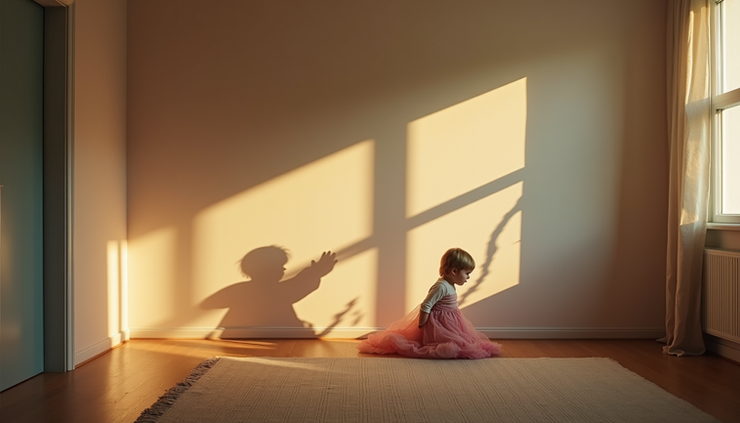
I still remember the moment when the edges of my childhood blurred into a realm where shadows and light danced together. It was there, in that soft, shifting space, that my imaginary friend first appeared—not quite solid, not quite gone. Half-shadow, half-light, a figure shaped by my longing for understanding and protection. This presence was more than a figment; it was a companion born from the depths of my imagination, a prism through which I viewed the world differently. Today, I invite you to journey with me through the surreal and cinematic unfolding of imaginary friends, exploring their origins, evolution, and enduring presence in our inner lives.

The Birth of Imaginary Friends in the Soft Edges of Childhood
Imaginary friends emerge from the liminal space where reality softens and imagination takes hold. They are born in the quiet moments when a child’s mind reaches beyond the visible, crafting companions from longing, curiosity, or the need for protection. These figures are not mere fantasies; they are emotional mirrors reflecting the child's inner world.
From my own experience, the presence felt like a gentle whisper in the twilight of my awareness, a companion who understood fears I could not voice. This presence was a survival tool, a creative engine that transformed loneliness into a shared secret. The imaginary friend was a lens through which I could explore feelings too complex for words.
Imaginary Friends Across History and Culture
The concept of imaginary companions is not new. Across cultures and centuries, these figures have taken many forms:
Mythic Companions and Spirit Guides
Ancient cultures often spoke of spirit guides or animal companions that walked alongside humans, offering wisdom and protection. These mythic figures share a kinship with the imaginary friends of childhood, both acting as intermediaries between the known and the unknown.
Psychological Interpretations
Modern psychology views imaginary friends as a natural part of childhood development. They serve as tools for emotional regulation, social rehearsal, and creativity. Studies show that children with imaginary friends often display advanced social skills and empathy, using these companions to navigate complex emotions.
Imagination as Survival and Creation
Imagination itself acts as a virtual creative factory, a space where the mind experiments with possibilities, processes trauma, and builds resilience. Imaginary friends are one of its most vivid products, blending reality and fantasy into a living narrative.
The Cinematic Evolution of Imaginary Friends Through the ARTESERSTEK:LENS
The journey of imaginary friends from ancient folklore to modern psychology unfolds like a cinematic narrative when viewed through the ARTESERSTEK:LENS. This style captures the hyper-detailed textures of memory and emotion, the surreal juxtapositions between what is real and what is imagined.
Imagine a slow camera panning across a child's room, where shadows stretch and twist into figures that flicker between form and formlessness. The imaginary friend becomes a living artifact of the psyche, shaped by emotional geometry, memory fragments, and unspoken desires. This lens reveals the inner world as a shifting aperture, where imagination refracts reality into new shapes.
The ARTESERSTEK approach, inspired by Franco Arteseros, treats these companions not as mere childhood relics but as ongoing characters in the story of identity and creativity. They are virtual creative factories within us, constantly reshaping how we see ourselves and the world.
Imaginary Friends Today: Beyond Childhood
Imaginary friends do not vanish with age. They evolve into symbolic constructs in art, storytelling, and adult inner life. Writers, artists, and creators often channel these inner companions as muses or avatars, tapping into the same emotional geometry that shaped their childhood figures.
In therapy, imaginary friends can resurface as tools for healing, helping adults reconnect with lost parts of themselves or confront unresolved emotions. They become lenses through which we examine identity, creativity, and memory.
The ARTESERSTEK:LENS style invites us to see these companions as living, breathing elements of our psyche—characters born from the interplay of light and shadow within our minds. They are not just memories but active participants in our ongoing narrative.
Revisiting Inner Companions Through the ARTESERSTEK Lens
Reflecting on my own imaginary friend, I realize it was more than a childhood comfort. It was a prism that fractured my experience into colors I could explore safely. Through the ARTESERSTEK lens, I see these figures as essential parts of our creative and emotional architecture.
I encourage you to revisit your own inner companions—those figures who once walked beside you in the soft edges of perception. What do they reveal about your creativity, your identity, and the landscapes within? How might they still shape your story today?
Imaginary friends are not just echoes of childhood; they are ongoing dialogues with the self, invitations to explore the surreal presence within us all.


POST NOTES:::...[PDF]...
Franco Arteseros:::...


Comments