
Organic Muscle Memory Why Hands Still Lead Digital Art #AnalogCraft #CreativeWorkflow #HumanInstinct
- Franco Arteseros
- 3 hours ago
- 2 min read

Updated: 16 minutes ago

The machine can render faster than the hand, but it still cannot feel for you. Organic muscle memory is the quiet force behind work that looks alive: the pressure of a pencil, the drag of a blade through cardboard, the click of a gear that finally seats right, the rough judgment that says, “No, that line is dead.” Digital tools reward speed, but craft teaches resistance. Drawing trains the eye to notice weight, proportion, rhythm, and failure before a menu can name them. A hand that has sketched a thousand crooked circles understands motion in a way no preset can fake.

Mechanical tinkering does the same kind of damage, the useful kind. Take apart a camera, tune a bike, solder a loose wire, rebuild a thrift-store turntable, and the brain starts thinking in friction, tension, balance, and consequence. That instinct follows you into Blender, Procreate, CAD, animation timelines, sound design, generative tools, and code. The best digital makers do not worship the interface. They bring scars from the garage, graphite under the nails, and a stubborn sense that every perfect vector should still answer to gravity.

Yes, software can smooth the edge, predict the stroke, fill the background, and clean the mess. Good. Let it. But the mess is where taste is born. Analog habits give digital art a tactile foundation because they force decisions through the body first. The hand hesitates. The wrist corrects. The eye rejects the easy answer. That friction is not nostalgia. It is rebellion against frictionless sameness. The future belongs to creators who can use the tool without becoming its echo.

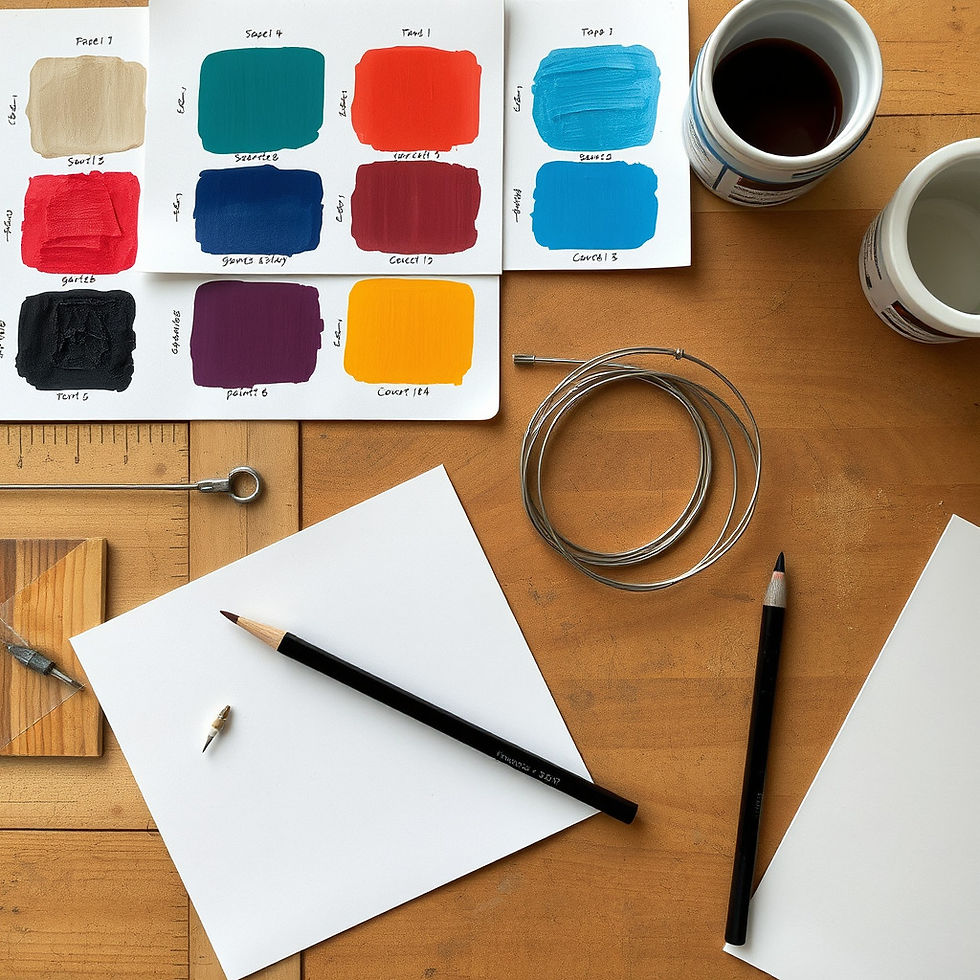
If the tools keep getting smarter, will your hands stay wild enough to lead them?
AnalogCraft
CreativeWorkflow
HumanInstinct


Franco Arteseros::...


Comments