
The Journey of the Yo-Yo from Ancient Artifact to Worldwide Sensation
- Franco Arteseros
- Jan 7
- 3 min read


Few toys have traveled through time and culture as remarkably as the yo-yo. What began as a simple object in ancient civilizations has evolved into a global pastime enjoyed by millions. This post explores the fascinating history of the yo-yo, its cultural significance, and how it became a worldwide sensation.



Origins of the Yo-Yo in Ancient Times
The earliest evidence of yo-yos dates back over 2,500 years. Archaeologists have uncovered terracotta disks resembling yo-yos in ancient Greece, around 500 BCE. These early versions were likely made from wood, metal, or painted clay. The yo-yo was not just a toy but also a symbol in some cultures.


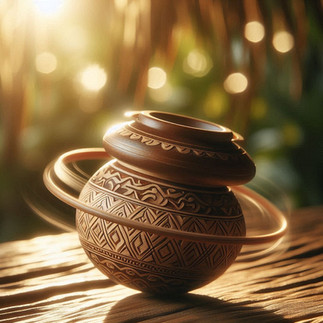
In the Philippines, the yo-yo was used as a hunting weapon before becoming a plaything. The word "yo-yo" itself comes from the Tagalog language, meaning "come-come" or "return," reflecting the toy’s motion. This connection highlights the yo-yo’s deep roots in Filipino culture, where it was crafted from wood and sometimes decorated with intricate designs.



The Yo-Yo’s Journey Through Different Cultures
As trade routes expanded, the yo-yo spread across Asia and Europe. In China and Japan, similar toys appeared, often made from bamboo or other local materials. These versions were sometimes used in traditional performances or as skill toys.

In Europe, the yo-yo gained popularity during the Renaissance. French paintings from the 18th century depict children playing with yo-yos, showing its presence in everyday life. The toy was often called a "bandalore" or "quiz," and it was a common pastime among the nobility and common folk alike.
The Yo-Yo in the Modern Era
The yo-yo’s transformation into a modern toy began in the early 20th century. In 1928, Pedro Flores, a Filipino immigrant in the United States, started manufacturing yo-yos commercially. He introduced the string loop design that allowed the yo-yo to "sleep" at the end of the string, enabling more complex tricks.


Flores’ company caught the attention of Donald F. Duncan, who bought the rights and popularized the yo-yo across America. Duncan’s marketing campaigns and contests helped turn the yo-yo into a household name. By the 1950s, the yo-yo was a staple toy in many countries, with new designs and materials like plastic replacing wood.

Yo-Yo as a Competitive Sport and Art Form
Beyond casual play, the yo-yo has developed into a competitive sport with international championships. Players perform intricate tricks that require precision, timing, and creativity. The World Yo-Yo Contest, held annually, attracts participants from dozens of countries.


Yo-yoing also became an art form, with performers combining music, dance, and storytelling. This evolution shows how a simple toy can inspire complex skills and cultural expression.
Why the Yo-Yo Remains Popular Today
Several factors explain the yo-yo’s lasting appeal:
Simplicity and Accessibility
The yo-yo is easy to learn but offers endless challenges, making it suitable for all ages.
Portability
Its small size allows people to carry it anywhere and practice anytime.
Community and Culture
Yo-yo clubs, online forums, and competitions create a sense of belonging.
Innovation
Modern yo-yos use advanced materials and designs, keeping the toy fresh and exciting.

The Yo-Yo’s Impact on Popular Culture
The yo-yo has appeared in movies, music videos, and advertisements, often symbolizing skill, nostalgia, or fun. Celebrities and athletes have endorsed yo-yos, boosting their visibility. The toy also inspired video games and apps, blending traditional play with digital technology.


Final Thoughts on the Yo-Yo’s Enduring Legacy
The yo-yo’s journey from an ancient artifact to a global sensation shows how simple objects can connect cultures and generations. Its ability to adapt and inspire continues to make it relevant today. Whether as a nostalgic toy, a competitive sport, or a creative outlet, the yo-yo invites everyone to engage with play and skill.


F.A:::...


Comments