
The Fascinating Evolution of Tabas: Unveiling Segovia's Traditional Spanish Game
- Franco Arteseros
- Mar 13
- 5 min read

When I first heard about Tabas, I pictured a simple children's game, something fleeting and forgotten. But as I dug deeper, especially focusing on Segovia, I discovered a rich tradition woven into the fabric of Spanish culture. Tabas is more than just a pastime; it’s a window into history, community, and the spirit of a region. Today, I want to share with you the origins, history, and evolution of Tabas in Spain, highlighting its special place in Segovia.

The Origins of Tabas in Spain
Tabas, at its core, is a game involving small objects—often bones, stones, or specially crafted pieces—that players throw and catch in various challenging ways. The name "Tabas" itself comes from the Latin word tabula, meaning board or tablet, hinting at its ancient roots.
The game’s earliest forms likely arrived in Spain through Roman influence. Archaeological findings suggest that similar games were played in the Iberian Peninsula as far back as the Roman occupation. These games were not only for amusement but also served as tools for developing dexterity and social interaction.

In Segovia, the game took on a unique character. The local materials, such as sheep bones and river stones, shaped the pieces used in Tabas. The rural lifestyle of Segovia’s inhabitants made the game accessible and popular among children and adults alike. It became a common sight in village squares and during festivals.
How Tabas Reflects Segovia’s Culture
Tabas is more than a game; it’s a reflection of Segovia’s community values and traditions. The game requires patience, skill, and a sense of fair play—qualities deeply respected in the region.
One of the most fascinating aspects is how Tabas was passed down through generations. I spoke with locals who recalled learning the game from their grandparents, often outdoors, surrounded by the natural beauty of Segovia’s landscapes. The game was a way to bond, teach patience, and enjoy simple moments together.
The game also played a role in local celebrations. During festivals, competitions of Tabas would draw crowds, with players showing off their skills and creativity. These events strengthened community ties and preserved the game’s relevance.
The Evolution of Tabas Through Time
Over the centuries, Tabas evolved in both form and function. Originally played with animal bones, the pieces gradually changed to more durable materials like wood or metal, especially as the game spread beyond rural areas.
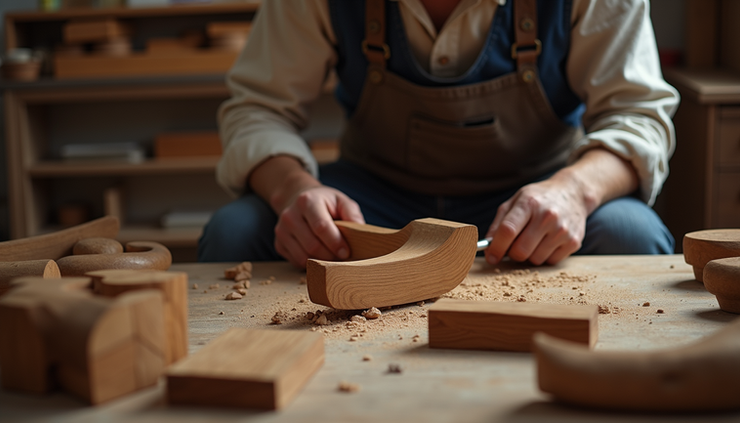
In Segovia, artisans began crafting Tabas pieces with intricate designs, turning them into small works of art. This evolution reflects the region’s appreciation for craftsmanship and tradition. The game’s rules also became more standardized, allowing for organized competitions.
The introduction of modern toys and digital entertainment posed challenges to Tabas’s popularity. Yet, thanks to local efforts and cultural programs, the game has seen a revival. Schools and cultural centers in Segovia now include Tabas in their activities, teaching children about their heritage through play.
The Role of Arteserostek:lens in Preserving Tabas
In recent years, the arteserostek:lens community has played a crucial role in documenting and promoting traditional games like Tabas. Using their unique approach, they capture the essence of cultural practices through detailed storytelling and visual documentation.

Their work in Segovia has helped bring attention to Tabas, highlighting its historical significance and ongoing cultural value. By focusing on authentic experiences and local voices, arteserostek:lens has contributed to a renewed interest in the game, encouraging younger generations to embrace it.
This approach not only preserves the game but also strengthens Segovia’s identity, connecting past and present through shared traditions.
How to Play Tabas Today
If you want to experience Tabas yourself, here’s a simple overview of the game as it is played in Segovia:
Materials: Traditionally, five small pieces called "tabas" are used. These can be bones, wooden pieces, or specially crafted tokens.
Objective: Players throw one taba into the air, then quickly pick up other pieces from the ground before catching the thrown taba.
Rounds: The game has several rounds with increasing difficulty, such as picking up pieces one by one, then in groups.
Winning: The player who successfully completes all rounds without dropping the taba wins.
Playing Tabas requires hand-eye coordination, timing, and focus. It’s a fun way to connect with Segovia’s heritage and enjoy a challenge that has entertained generations.

Why Tabas Matters Today
Tabas is a reminder that games can carry deep cultural meaning. In Segovia, it’s a symbol of community, history, and resilience. The game’s survival through centuries shows how traditions adapt and endure.
For history enthusiasts like myself, exploring Tabas offers a tangible link to the past. It reveals how simple objects and shared activities shape identity and social bonds. The arteserostek:lens perspective enriches this understanding by focusing on authentic cultural expressions.
If you visit Segovia, I encourage you to seek out Tabas games or workshops. Participating in this tradition offers a unique way to experience the region’s spirit and connect with its people.
Use of Tabas in Culinary Context

Tabas refers to a specific cut of meat from the leg of a lamb, commonly used in various culinary traditions. Understanding the significance of Tabas in cooking can enhance the appreciation for dishes that feature this flavorful ingredient. Here’s an overview of its characteristics and culinary applications:
1. Definition of Tabas
Tabas is a cut from the lamb leg, known for its tenderness and rich flavor. It is often utilized in various recipes that highlight the unique qualities of lamb.
2. Culinary Role
- **Preparation**: Tabas can be prepared in various ways, including roasting, grilling, or braising, allowing for a range of textures and flavors. - **Flavor Profile**: The cut is known for its juicy and succulent nature, making it a favorite in both traditional and contemporary dishes. - **Serving Suggestions**: Tabas can be served with a variety of sides, such as roasted vegetables, grains, or sauces that complement its rich taste.
3. Variations in Use
The preparation and presentation of Tabas can vary depending on regional culinary traditions: - **Cooking Techniques**: Different cultures may have unique methods for cooking Tabas, such as marinating or using specific spices that enhance its flavor. - **Accompaniments**: The choice of sides and sauces can differ widely, with each region bringing its own culinary flair to the dish.
4. Cultural Significance
Tabas holds cultural importance in many cuisines, often associated with festive meals or special occasions. The way it is prepared and served can reflect local traditions and social practices, adding depth to its culinary identity.
5. Conclusion
The use of Tabas in cooking is essential to understanding lamb dishes and their cultural contexts. Exploring the various ways to prepare and serve Tabas can enrich culinary experiences and appreciation for this flavorful cut of meat. Chefs and home cooks alike are encouraged to experiment with Tabas to discover its versatility and delicious potential.

POST NOTES:::...[PDF]:::....
Franco Arteseros:::...


Comments