
Exploring Cokedale and Picket Wire Ranch: A Poetic Contrast of Human Innovation and Ancient Geological Time in Colorado
- Franco Arteseros
- Mar 14
- 4 min read


When I first stood between the charred remnants of Cokedale’s industrial past and the sprawling, timeless expanse of Picket Wire Ranch, I felt a quiet conversation unfold. It was a dialogue between human will and the slow, steady hand of geology. This is a story of two places in Colorado that embody opposing forces: the fire forged by human hands and the deep-time etched by the earth itself. Through their origins, histories, and evolution, Cokedale and Picket Wire reveal a frontier mythic reflection that speaks to the heart of Colorado’s identity.
The Origins of Cokedale: Fire Forged by Human Hands
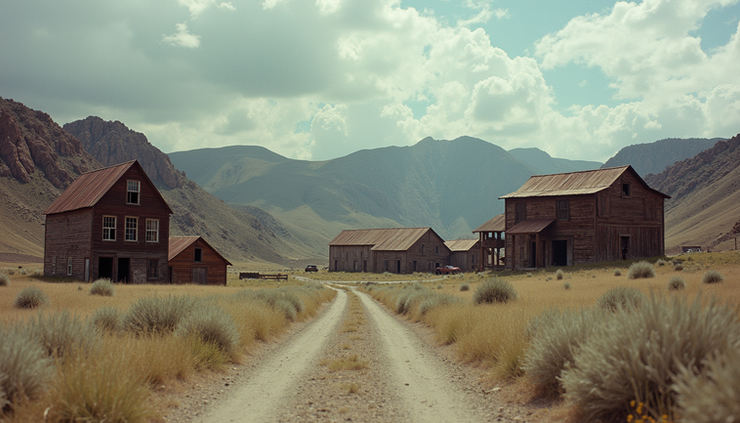
Cokedale began as a company town in the early 1900s, born from the need to fuel America’s growing industrial appetite. Nestled in the foothills of southern Colorado, it was built around coal mining and coke production. The town’s very existence depended on transforming raw coal into coke, a fuel essential for steelmaking. This process required intense heat, a human-forged fire that shaped not only the landscape but the lives of those who worked there.
The town’s founders envisioned a self-sufficient community where miners and their families lived close to the mines. Cokedale’s architecture and layout reflected this purpose: rows of modest homes, a school, a company store, and the coke ovens themselves. These ovens were the heart of the town, where coal was baked at high temperatures to remove impurities, producing a cleaner, hotter-burning fuel.
Cokedale’s story is one of human will, of harnessing fire to reshape the environment and fuel progress. The town thrived for decades, but as steel production methods evolved and coal demand shifted, Cokedale’s industrial fire dimmed. By the mid-20th century, the mines closed, and the town became a ghostly reminder of a once-burning flame.
Picket Wire Ranch: The Slow Pulse of Deep Time
In stark contrast, Picket Wire Ranch sits quietly on the plains of southeastern Colorado, where the earth’s history unfolds over millions of years. This ranch is not just a working cattle operation; it is a living museum of geology and paleontology. The land holds one of the largest dinosaur track sites in North America, with footprints preserved in sandstone that date back over 150 million years.
Walking across Picket Wire, I felt the weight of deep time beneath my feet. The ranch’s rolling hills and river valleys tell stories far older than human settlement. Here, the forces of erosion, sedimentation, and tectonic shifts have shaped the land slowly and patiently. Unlike Cokedale’s fiery transformation, Picket Wire’s evolution is a testament to the earth’s quiet persistence.
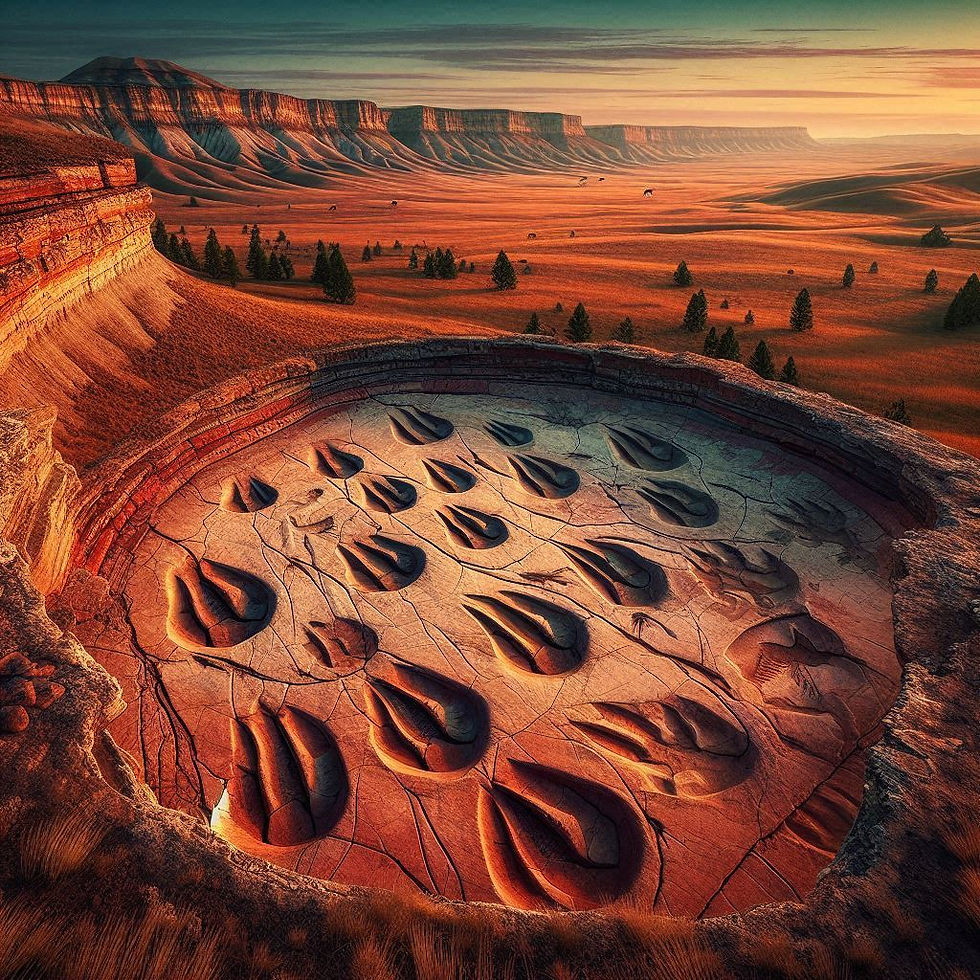
The ranch’s history as a cattle operation began in the late 19th century, but its significance extends far beyond ranching. The dinosaur tracks, discovered in the 20th century, have drawn scientists and enthusiasts alike, eager to glimpse the ancient past. Picket Wire embodies geology’s slow dialogue with time, a counterpoint to the rapid, human-driven changes seen in places like Cokedale.

A Dialogue Between Voluntad and Geología
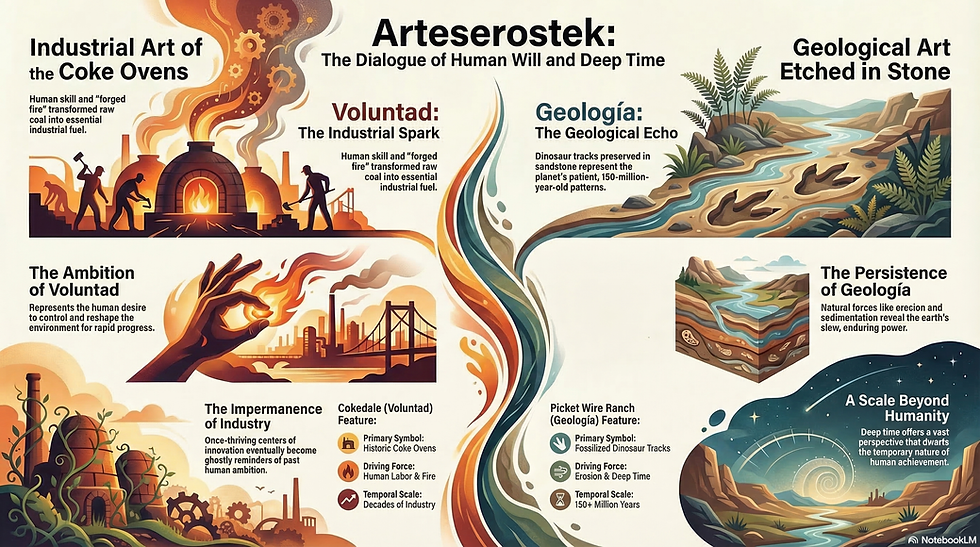
The contrast between Cokedale and Picket Wire is more than physical; it is philosophical. Cokedale represents voluntad—human will, ambition, and the desire to control and transform nature. The town’s coke ovens symbolize this fiery determination to harness resources for progress. Every brick and ember tells a story of people shaping their environment through labor and ingenuity.

Picket Wire, on the other hand, speaks to geología—the earth’s slow, inexorable processes that unfold over eons. The dinosaur tracks are silent witnesses to a time when the land was wild and untouched by human hands. This place invites reflection on patience, endurance, and the vast scales of time that dwarf human endeavors.

Together, these sites form a quiet dialogue that defines Colorado’s frontier spirit. It is a place where human innovation meets ancient earth, where the fire of industry contrasts with the sediment of deep time. This interplay shapes not only the landscape but the identity of those who live here.

The Evolution of Cokedale and Picket Wire Ranch
Cokedale’s evolution mirrors the rise and fall of coal mining in the American West. At its peak, the town supported hundreds of miners and their families. The coke ovens operated day and night, transforming coal into a vital industrial fuel. But as demand declined and new energy sources emerged, Cokedale’s industry faded. Today, the town is preserved as a historic site, a reminder of human ambition and the costs of industrial progress.
Picket Wire Ranch has evolved differently. While it remains a working cattle ranch, its significance as a geological and paleontological site has grown. Efforts to protect and study the dinosaur tracks have increased, drawing visitors and researchers. The ranch balances its agricultural role with stewardship of its ancient heritage, preserving a landscape shaped by forces far older than human history.
This evolution highlights the tension between use and preservation, between voluntad and geología. Cokedale’s story warns of the impermanence of human industry, while Picket Wire offers a glimpse into the enduring power of the earth.

Reflections on Arteserostek and the Frontier Spirit
In writing this, I kept returning to the word arteserostek, a concept that captures the blend of art, technology, and craft that defines human interaction with the land. Cokedale’s coke ovens are a form of arteserostek—an industrial art that transformed raw materials through skill and fire. Picket Wire, while less about human craft, invites a different kind of arteserostek: the careful study and preservation of geological art etched by time.
For enthusiasts of Picket Wire Ranch, understanding this contrast enriches the experience. It’s not just about cattle or fossils; it’s about witnessing two forces shaping Colorado’s frontier. One is the spark of human creativity and labor, the other the slow, patient hand of the earth itself.
This poetic tension between voluntad and geología invites us to appreciate both the power and limits of human endeavor. It reminds us that while we can forge fire and build towns, we are also part of a much larger story written in stone and time.
POST NOTES:::...[POWER POINT PRESENTATION]...
Franco Arteseros:::...


Comments