
The Evolution of Private Investigation from Historical Roots to AI Innovations
- Franco Arteseros
- Aug 19, 2025
- 4 min read

Updated: Aug 19, 2025
Private investigators (PIs) have long intrigued the public, often depicted as enigmatic figures navigating complex realities. However, the truth about their work is far more layered and diverse. This blog post dives into the world of private investigation, revealing what a PI does today, tracing the profession's history, and examining its transformation with the rise of AI technology.

Understanding the Role of a Private Investigator

A private investigator is a professional hired to look into various matters for individuals, businesses, or organizations. Their services can vary but usually include:
Surveillance: This involves monitoring individuals to collect evidence or information, sometimes through staking out locations or following a subject discreetly.
Background Checks: Investigators delve into a person's history, which may include criminal records and employment history. For instance, real estate companies often conduct background checks on potential tenants to avoid issues.
Missing Persons: PIs play a crucial role in locating those who have vanished. In the U.S., tens of thousands of individuals go missing each year, and trained PIs utilize various techniques to find them.
Fraud Investigation: Many private investigators focus on uncovering fraudulent activities, particularly in corporate settings. In 2020, companies lost an estimated $42 billion to occupational fraud.
Corporate Security: PIs assess risks to businesses, helping to prevent theft and corporate espionage, which can harm a company's reputation and bottom line.
Typically, PIs operate independently from law enforcement, but they can collaborate when necessary. Licensing requirements can differ dramatically across states and countries, emphasizing the importance of adhering to ethical standards in all investigations.
In movies and television, private investigators are often portrayed as relentless sleuths. These dramatized representations can overshadow the real ethical challenges that PIs face daily.

A Look Back at the Origins of Private Investigation
The history of private investigation is rich and varied, starting from early detective roles in pre-industrial Europe. Figures like thief-takers, local informants, and night watchmen were among the first to tackle investigative duties, often driven by monetary incentives or community obligations.
The Dawn of Detective Agencies
A pivotal moment in private investigation history came in 1833 when Eugène François Vidocq established the first detective agency in Paris. Vidocq, a former criminal turned investigator, transformed the field by introducing record-keeping and undercover operations. His agency set the stage for future detective work, influencing generations of investigators.


Pioneering the American Scene
The migration of detective work to America can be largely credited to Allan Pinkerton, who created the Pinkerton National Detective Agency in 1850. The agency gained notoriety for its involvement in high-profile cases, such as capturing train robbers and safeguarding President Abraham Lincoln. Throughout the late 19th and early 20th centuries, many detective agencies sprang up, solidifying private investigation as a recognizable profession in the U.S.


Urban Growth and Crime Challenges
The swift urbanization of the late 19th century significantly changed private investigation’s dynamics. As cities expanded, crime rates soared, increasing the demand for investigators. Organized crime groups emerged, presenting new challenges for PIs. The complexity of navigating this environment underscored the need for skilled investigators, reinforcing their role within society.


The Transformation of Private Investigation
The private investigation profession has evolved significantly over the years.
Shifting from Instinct to Evidence
Historically, investigations tended to rely on intuition. As forensic science progressed, the focus turned toward evidence-based practices. Techniques like fingerprinting, ballistics studies, and DNA testing became essential for solving cases. For example, DNA evidence helped resolve about 70% of cold cases in the U.S. since the introduction of modern forensic science.
The Influence of Hard-Boiled Fiction

The rise of "hard-boiled" detectives in American literature during the early to mid-20th century influenced public perceptions of PIs. Popular characters like Sam Spade and Philip Marlowe portrayed tough detectives operating on the fringes of legality. In contrast, real-world private investigators adhere strictly to ethical guidelines, navigating legal boundaries to maintain their professional integrity.
Embracing the Digital Era
The digital revolution has dramatically transformed private investigation. With the internet and advanced technology, information gathering has become quicker and more efficient. Investigators can now access vast databases and social media platforms, empowering them to conduct thorough background checks and find missing persons with remarkable efficiency. For instance, social media platforms have become vital tools, helping PIs uncover information about individuals that might not be publicly available otherwise.

The Future: AI in Private Investigation
Entering the 21st century, artificial intelligence (AI) is reshaping the private investigation landscape.
Leveraging OSINT & Data Mining
Open Source Intelligence (OSINT) and data mining are becoming key tools for modern PIs. These methods enable investigators to gather extensive data from publicly accessible sources. For example, a PI may scrape social media profiles, public records, and news articles to create detailed profiles on individuals or organizations.

Advancements in Facial Recognition
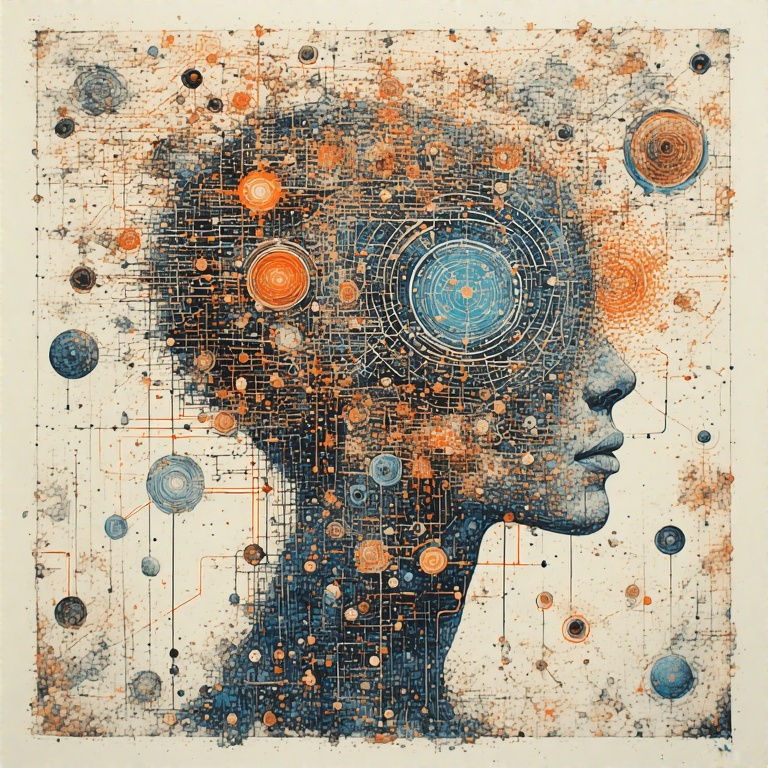
Facial recognition technology and pattern analysis are also valuable in the investigator's toolkit. They allow PIs to identify suspects or track missing persons through video footage or images. Although these innovations offer many advantages, they also raise ethical questions about privacy and consent.
Using Predictive Modeling
Predictive modeling is another area where AI significantly impacts private investigation. By analyzing historical data and patterns, AI helps anticipate criminal behavior. This proactive approach represents a substantial evolution in how PIs can prevent crime before it happens.

Innovations with Virtual Crime Scenes
The integration of virtual reality technology introduces exciting new possibilities, allowing investigators to recreate crime scenes. This not only aids analysis but also provides immersive training experiences for new PIs. For example, virtual simulations can enhance the understanding of complex scenarios, helping investigators draw more accurate conclusions from available evidence.

Reflecting on the Journey Ahead
The evolution of private investigation from its early days to the AI-enhanced future showcases the profession's resilience and adaptability. As technology advances, so will the methods and practices employed by private investigators. The foundational principles—curiosity, persistence, and ethical conduct—remain constant, while the tools PIs use become ever more sophisticated.

Looking ahead, it is evident that private investigators will continue to play a crucial role in society, addressing the intricacies of human behavior and the shifting landscape of crime. Whether using traditional techniques or state-of-the-art technology, the quest for truth and justice remains central to the profession.
Paco Arteseros....


Comments