
Exploring the Rich Tapestry of Cordova Spain: Origins History and Cultural Folklore
- Franco Arteseros
- Jan 19
- 4 min read

Cordova, or Córdoba in Spanish, stands as one of Spain’s most fascinating cities, where history and culture blend seamlessly. Its story stretches back thousands of years, shaped by diverse peoples and traditions. This city offers more than just stunning architecture; it reveals layers of human experience through its origins, historical evolution, and vibrant cultural folklore. Understanding Cordova means stepping into a world where past and present meet in a unique and compelling way.


Origins and Early History
Cordova’s origins trace back to ancient times, with evidence of settlement by the Romans around the 2nd century BCE. The city’s strategic position on the Guadalquivir River made it a vital hub for trade and military control. Under Roman rule, Cordova flourished as a provincial capital, boasting impressive infrastructure such as roads, bridges, and public buildings.
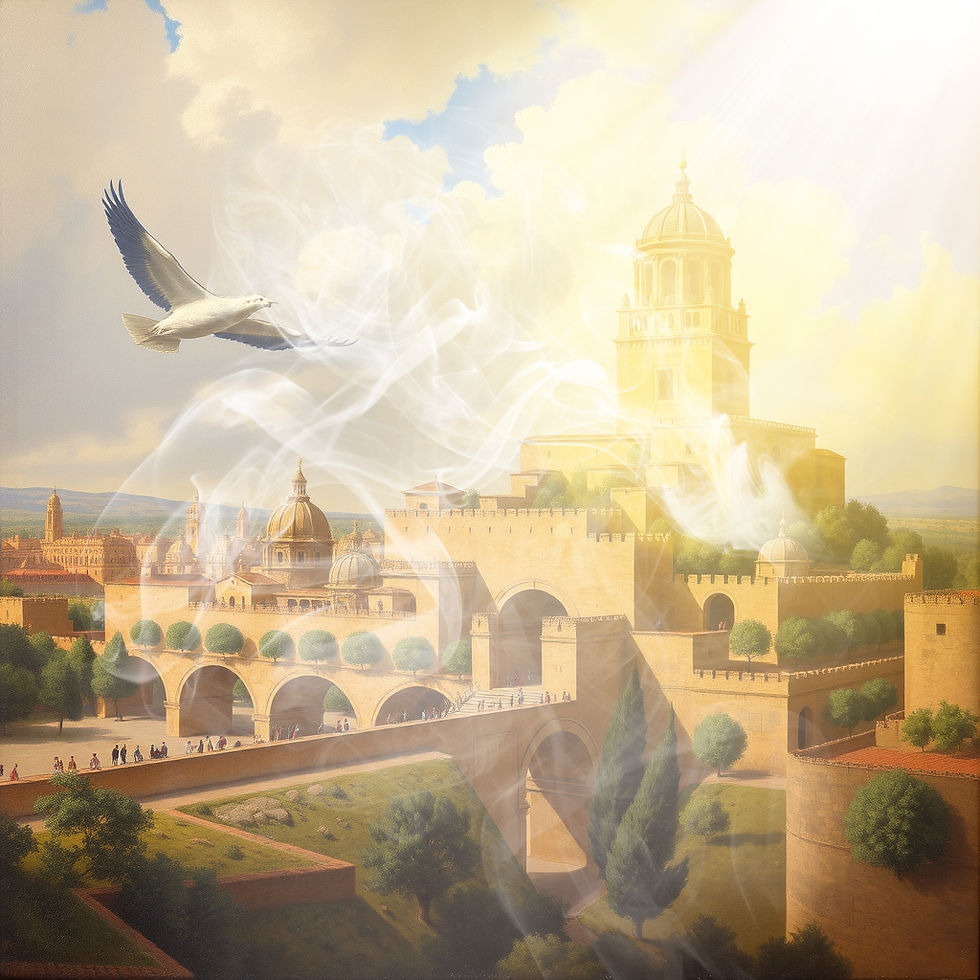
The city’s true transformation began with the arrival of the Moors in the early 8th century. Cordova became the capital of the Emirate, and later the Caliphate, of Córdoba. This period marked the city’s golden age, turning it into one of the most important cultural and intellectual centers in Europe. At its height, Cordova was home to hundreds of thousands of inhabitants, including scholars, artists, and traders from across the Mediterranean and beyond.


The Evolution of Cordova Through the Ages
Cordova’s history is a story of change and resilience. After the fall of the Caliphate in the 11th century, the city experienced fragmentation and conflict. Christian forces gradually reclaimed the city during the Reconquista, culminating in 1236 when King Ferdinand III took control. Despite this shift, Cordova retained much of its Islamic architectural heritage, blending it with Christian influences.


The Renaissance and Baroque periods brought new artistic and architectural developments, visible in churches, palaces, and public spaces. However, Cordova’s population and influence declined compared to its peak during the Caliphate. The city remained an important regional center but lost its former status as a major Mediterranean power.

In modern times, Cordova has embraced its rich past while adapting to contemporary life. Restoration projects have preserved key monuments, and the city has become a popular destination for cultural tourism. The blend of Roman, Islamic, and Christian legacies creates a unique urban landscape that tells the story of centuries of coexistence and change.

Culture and Folklore in Cordova
Cordova’s culture reflects its diverse history and the traditions of its people. The city celebrates numerous festivals and customs that highlight its heritage. One of the most famous is the Fiesta de los Patios, held every May. Residents decorate their courtyards with flowers, creating vibrant displays that attract visitors from around the world. This tradition honors the importance of community and the Andalusian way of life.


Another key cultural element is Cordova’s music and dance. Flamenco, with its passionate rhythms and expressive movements, thrives here. Local artists keep this art form alive, performing in intimate venues and large festivals alike. Flamenco in Cordova carries the emotional depth of centuries of cultural blending, from Gypsy influences to Moorish melodies.


Folklore in Cordova also includes legends and stories passed down through generations. Tales of the city’s past rulers, mythical creatures, and historical events enrich the local identity. These stories often surface during festivals or in the work of local writers and artists, connecting the present with the past in meaningful ways.


Architectural Heritage as a Cultural Symbol
Cordova’s architecture serves as a living record of its history and culture. The Mezquita-Catedral de Córdoba stands as the city’s most iconic monument. Originally built as a mosque in the 8th century, it was converted into a cathedral after the Christian conquest. Its vast hypostyle hall, decorated with red and white arches, symbolizes the city’s Islamic heritage, while the Renaissance nave reflects Christian influence.

Beyond the Mezquita, the city’s Jewish quarter offers a glimpse into Cordova’s multicultural past. Narrow streets, whitewashed houses, and historic synagogues tell the story of a once-thriving Jewish community. This area remains a vibrant part of the city’s cultural fabric.


The Alcázar de los Reyes Cristianos, a fortress and palace, showcases medieval Christian architecture and gardens. Together, these sites illustrate how Cordova’s built environment embodies its complex history and cultural dialogue.

Living Cordova Today
Today, Cordova balances its historical legacy with modern life. The city hosts universities, cultural centers, and a lively arts scene. Visitors can explore museums dedicated to archaeology, fine arts, and local traditions. Gastronomy also plays a role in cultural expression, with dishes like salmorejo and flamenquín reflecting Andalusian flavors.

Cordova’s people maintain a strong connection to their heritage through language, festivals, and daily customs. The city’s ability to preserve its past while welcoming change makes it a fascinating place to explore and understand.


Cordova invites everyone to experience its rich history and culture firsthand. Whether wandering its ancient streets, enjoying a flamenco performance, or admiring its architectural wonders, visitors gain insight into a city shaped by centuries of human stories.


F.A:::...


Comments