
Exploring the Rich History and Traditions of Spring Equinox Celebrations in Mexico
- Franco Arteseros
- 3 days ago
- 4 min read

Updated: 2 days ago

The Spring Equinox in Mexico is more than just an astronomical event. It marks a moment when day and night balance perfectly, but for many Mexicans and visitors, it represents a deep connection to ancient traditions, culture, and nature. I have always been fascinated by how this day brings people together to celebrate renewal and harmony. In this post, I want to share the origins, history, and evolution of the Spring Equinox celebrations in Mexico, weaving in the unique perspective of arteserostek, a style that blends art, technology, and cultural storytelling.

The Origins of Spring Equinox Celebrations in Mexico
The roots of the Spring Equinox celebrations in Mexico trace back thousands of years to the pre-Hispanic civilizations, especially the Maya and the Aztecs. These cultures observed the equinox as a critical time for agriculture, spirituality, and cosmic balance.


The Maya built impressive structures like the pyramid of Kukulcán at Chichén Itzá, designed with astronomical precision. Twice a year, during the equinoxes, the sun casts a shadow that looks like a serpent descending the pyramid’s staircase. This phenomenon symbolizes the return of the feathered serpent god Kukulcán, a deity linked to fertility and renewal.


For the Aztecs, the equinox was also a time to honor the cycles of nature and the gods who controlled the seasons. They believed that maintaining harmony with the cosmos was essential for the survival of their people and crops.


How History Shaped the Celebrations
When the Spanish arrived in the 16th century, many indigenous traditions were suppressed or blended with Catholic practices. Despite this, the equinox celebrations persisted, often hidden or transformed into local festivals.


Over time, the Spring Equinox became a symbol of cultural identity and resistance. Communities continued to gather at archaeological sites, honoring their ancestors and the natural cycles that sustained them. The equinox celebrations evolved to include music, dance, and rituals that mix indigenous and Spanish influences.


In recent decades, the Mexican government and cultural organizations have promoted the equinox as a national event, attracting tourists and scholars interested in the country’s rich heritage.


The Role of Arteserostek in Modern Celebrations
Arteserostek, a creative approach that combines traditional art forms with modern technology and storytelling, plays a growing role in how the Spring Equinox is celebrated today. This style helps preserve ancient knowledge while making it accessible and engaging for new generations.


For example, in cities like Mexico City and Mérida, arteserostek artists create installations and performances inspired by equinox themes. These works often use light, sound, and digital media to recreate the experience of the equinox, connecting people with history in immersive ways.


This blend of old and new reflects the spirit of the equinox itself: a moment of balance, renewal, and transformation.

How Communities Celebrate Today
Today, the Spring Equinox celebrations in Mexico vary widely depending on the region and local customs. Here are some common elements you might find:
Gathering at Archaeological Sites: Many people travel to places like Chichén Itzá, Teotihuacán, and Monte Albán to witness the equinox sunrise and participate in rituals.
Traditional Dances and Music: Groups perform dances that honor the gods and nature, often wearing vibrant costumes and using traditional instruments.
Offerings and Prayers: Participants bring flowers, food, and other items to offer to the earth and sky, asking for a good harvest and balance in life.
Workshops and Talks: Cultural centers and museums host events explaining the history and significance of the equinox.
Community Meals: Sharing food strengthens bonds and celebrates abundance.
These activities create a sense of connection to the past and to each other, reminding us of our place in the natural world.
Personal Reflections on Experiencing the Equinox in Mexico
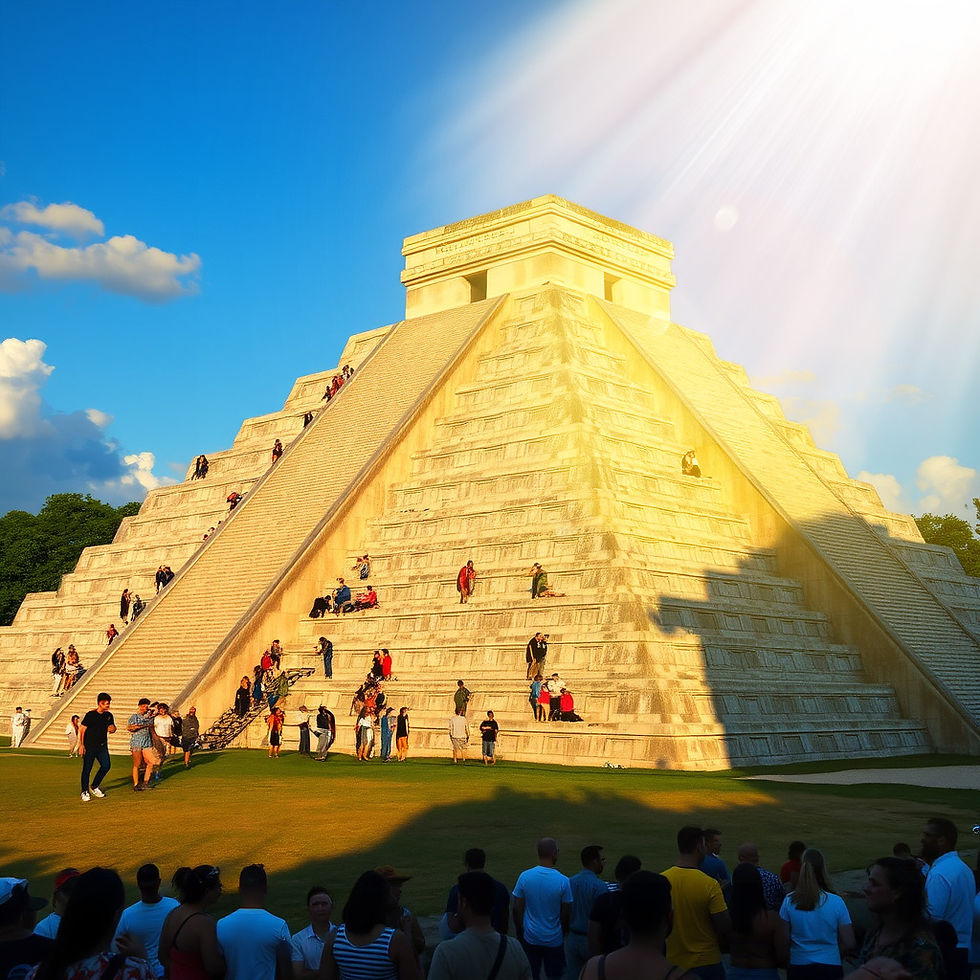
I remember my first time witnessing the Spring Equinox at Chichén Itzá. The crowd gathered before dawn, full of anticipation. As the sun rose, the serpent shadow slowly appeared on the pyramid’s steps. The energy was palpable, a mix of awe and reverence.
What struck me most was how the celebration brought together people from all walks of life—locals, tourists, scholars, and artisans. Everyone shared a moment of respect for the earth’s cycles and the wisdom of those who came before us.
Since then, I have explored other equinox events in Mexico, each with its unique flavor but all connected by the same themes of balance, renewal, and community. The arteserostek approach has deepened my appreciation, showing how creativity and technology can keep traditions alive and meaningful.

Why the Spring Equinox Matters Today
The Spring Equinox celebrations in Mexico remind us that we are part of a larger cycle. In a world that often feels disconnected from nature, these traditions offer a chance to pause and reflect on balance—between light and dark, past and present, human and earth.


For enthusiasts of the equinox, understanding its history and evolution enriches the experience. It shows how culture adapts while honoring roots, and how arteserostek can help bridge generations.


FRANCO ARTESEROS:::...


Excellent ARTESEROSTEK BLOG POST...GRACIAS FRANCO ARTESEROS..