
Exploring the Mythic Layers of Frontier Storytelling in True West Magazine
- Franco Arteseros
- Oct 11, 2025
- 4 min read

🎯 Introduction
True West Magazine stands as a beacon of the American Old West, illuminating the rich tapestry of frontier history through its evocative storytelling. Founded in 1953 by Joe Austell Small, this publication has dedicated itself to preserving the myths and memories of the West, offering readers a vivid glimpse into a world shaped by outlaws, lawmen, and the indomitable spirit of the land. With its commitment to nonfiction storytelling, True West has become a vital resource for anyone interested in the cultural narratives that define the American experience.


🏜️ Origins and Cultural Context
The post-war era in America was marked by a burgeoning fascination with Westerns, a genre that captured the imagination of a nation eager to explore its own mythic past. It was during this time that True West emerged, drawing inspiration from the pulp traditions and sporting magazines of the day. The magazine's early themes—outlaws, lawmen, buried treasure, Native American resistance, and ghost towns—reflected a society grappling with its identity and the stories that shaped it.


As the nation sought to reconcile its history with the realities of modern life, True West provided a platform for exploring the complexities of the frontier experience. The magazine's articles often delved into the lives of iconic figures like Billy the Kid and Wyatt Earp, while also giving voice to the often-overlooked narratives of Native Americans and women in the West. This blend of perspectives helped to create a more nuanced understanding of the American frontier, one that acknowledged both its romantic allure and its darker truths.
📚 Evolution of the Magazine
From its humble beginnings in Austin, Texas, True West has undergone a remarkable transformation. Initially published as a bimonthly magazine with a pulp-style aesthetic, it has evolved into a modern monthly publication that attracts scholarly contributors and forms partnerships with museums across the country. This evolution reflects not only changes in the magazine's editorial direction but also a broader shift in how we engage with history.


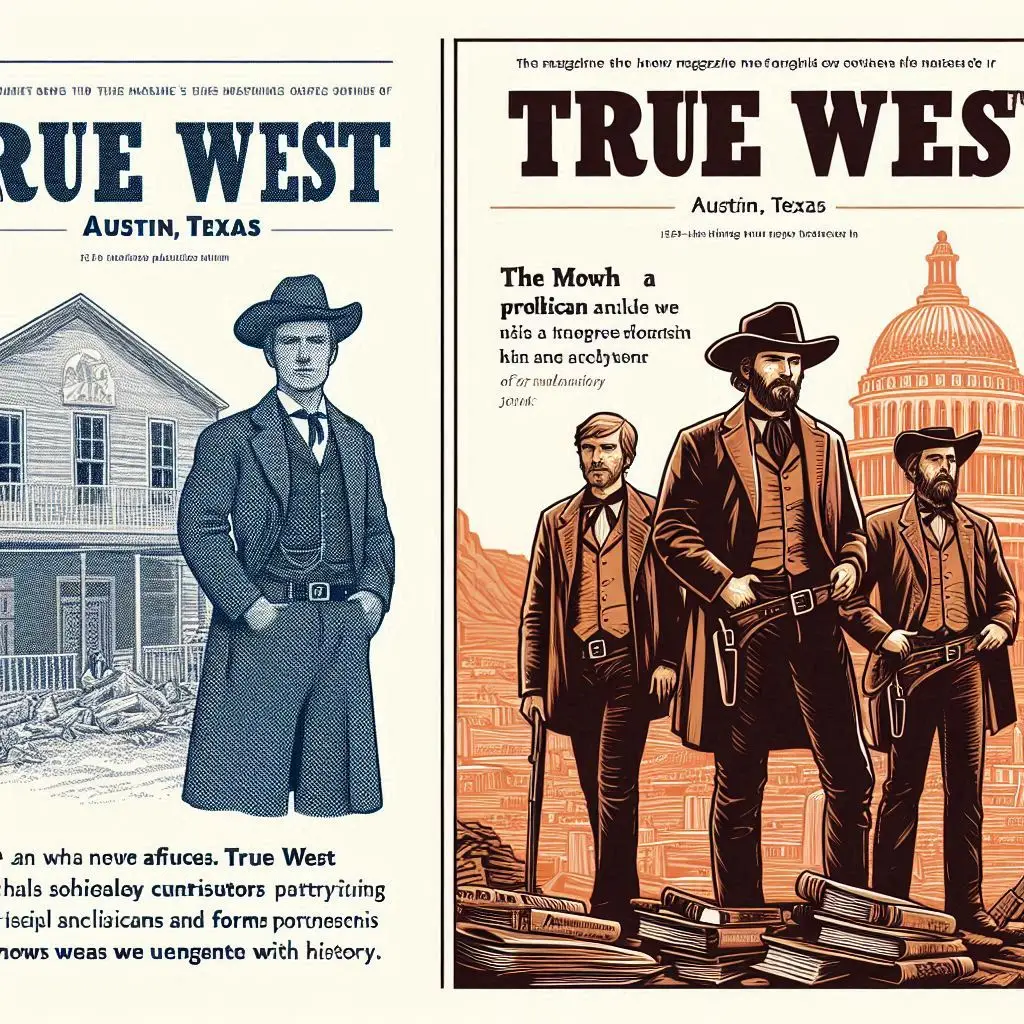
The move to Cave Creek, Arizona, marked a significant turning point for True West. Nestled in the heart of the desert, the magazine found a new home that resonated with its mission to celebrate the spirit of the West. The publication began to incorporate more in-depth research and analysis, drawing on the expertise of historians and cultural scholars. This shift allowed True West to elevate its storytelling, blending historical realism with a mythic tone that captivates readers.
✍️ Writers and Storytelling Philosophy
At the heart of True West lies a diverse array of voices, each contributing to the magazine's rich narrative tapestry. Key contributors like Bob Boze Bell, Paul Andrew Hutton, and Johnny D. Boggs have played pivotal roles in shaping the magazine's storytelling philosophy. Their work exemplifies the delicate balance between historical accuracy and the mythic elements that define the Western genre.


Bob Boze Bell, the magazine's art director and a prolific writer, is known for his ability to bring the past to life through vivid illustrations and engaging narratives. His passion for the Old West is evident in every issue, as he weaves together stories that resonate with both history buffs and casual readers alike.
Paul Andrew Hutton, a historian and author, has contributed numerous articles that delve into the complexities of Western history. His scholarship provides a critical lens through which readers can examine the myths and realities of the frontier, challenging preconceived notions and encouraging deeper reflection.
Johnny D. Boggs, an award-winning author, brings a unique storytelling style that blends fiction and nonfiction. His narratives often explore the lives of lesser-known figures from the West, shedding light on the diverse experiences that shaped the region's history. Together, these writers embody the magazine's commitment to blending historical realism with a mythic tone, creating a captivating reading experience.
🔍 Legacy and Influence
The legacy of True West Magazine extends far beyond its pages. As the oldest publication dedicated to the American Old West, it has shaped the landscape of Western nonfiction and inspired countless imitators. The magazine's archives serve as a treasure trove of cultural memory, preserving the stories and legends that define the American frontier.


Through its companion books and special editions, True West has expanded its reach, allowing readers to engage with the material in new and exciting ways. The magazine's commitment to preserving cultural memory is evident in its partnerships with museums and historical societies, ensuring that the stories of the West continue to be told for generations to come.

As readers explore the pages of True West, they are invited to reflect on the power of storytelling in shaping cultural identity. Whether in Colorado or Spain, the narratives of the Old West resonate with universal themes of adventure, resilience, and the quest for meaning in a rapidly changing world.

Conclusion
In a world increasingly dominated by fleeting digital narratives, True West Magazine stands as a testament to the enduring power of storytelling. Its commitment to preserving the myths and memories of the American frontier invites readers to engage with history in a meaningful way. As we navigate our own cultural landscapes, the stories of the West remind us of the importance of understanding our past and the narratives that shape our identities.

As you delve into the rich archives of True West, consider subscribing to the magazine or reflecting on how storytelling influences your own cultural identity. The myths of the frontier are not just tales of the past; they are living narratives that continue to shape our understanding of who we are today.


FRANCO ARTESEROS...


Comments