
Unveiling the Mystique of the Greenland Shark Myths History and Folklore
- Franco Arteseros
- 5 days ago
- 4 min read


The Greenland shark is one of the ocean’s most mysterious creatures. Living in the icy depths of the North Atlantic and Arctic Oceans, this shark has fascinated scientists, sailors, and storytellers for centuries. Its slow movements, unusual longevity, and elusive nature have inspired myths and legends that blend fact with folklore. This post explores the history, myths, and folklore surrounding the Greenland shark, revealing how this enigmatic animal has captured human imagination.

The History of the Greenland Shark

The Greenland shark (Somniosus microcephalus) is one of the longest-living vertebrates on Earth. Scientific studies estimate that some individuals live for over 400 years. This remarkable lifespan was confirmed through radiocarbon dating of eye lens proteins, making the Greenland shark a subject of great interest in marine biology.

Historically, the Greenland shark was known to Arctic indigenous peoples and early European explorers. It was often caught for its liver oil, which was used for lighting and lubrication. However, the flesh of the shark is toxic if eaten fresh due to high concentrations of trimethylamine oxide. Only after careful fermentation and drying, as practiced in Icelandic cuisine (known as hákarl), does the meat become edible.

Myths Surrounding the Greenland Shark
The Greenland shark’s slow, ghostly movements and deep-sea habitat have inspired many myths. One common legend describes the shark as a harbinger of doom or a creature connected to the supernatural.

The Sea Monster of the North: Early sailors often mistook the Greenland shark for a sea monster. Its large size and slow, deliberate movements gave it an eerie presence in the dark waters. Some believed it was a guardian of the deep or a creature that could drag ships to the ocean floor.

The Ghost Shark: In some Arctic folklore, the Greenland shark is called the “ghost shark” because it appears silently and disappears without a trace. This spectral reputation added to the fear and mystery surrounding it.

Connection to the Afterlife: Some Inuit legends suggest the Greenland shark is linked to the spirit world. It was thought to carry the souls of the dead or act as a guide for spirits traveling through the ocean.

These myths reflect human attempts to explain the unknown. The shark’s slow pace and deep habitat made it seem otherworldly, a creature beyond ordinary understanding.

Folklore and Cultural Significance
The Greenland shark holds a unique place in the folklore of Arctic communities. Its presence in stories often conveys respect for the power and mystery of the ocean.

Icelandic Traditions: In Iceland, the Greenland shark is part of traditional stories and cuisine. The preparation of hákarl, fermented shark meat, is a cultural practice that connects people to their maritime heritage. The shark’s meat is considered a delicacy despite its strong ammonia smell, symbolizing endurance and survival in harsh environments.

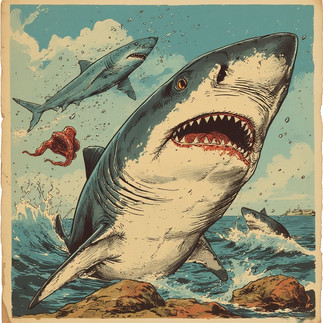


Greenlandic Tales: Inuit communities in Greenland have stories about the shark’s role in the natural order. It is sometimes portrayed as a patient hunter, waiting silently for its prey, embodying the harsh realities of Arctic life.

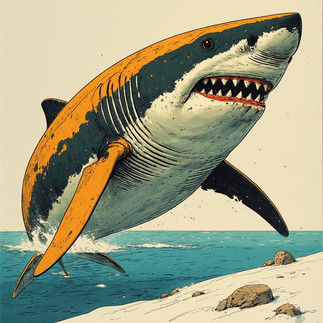

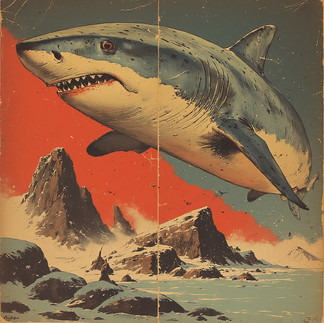


Symbol of Longevity: Due to its extraordinary lifespan, the Greenland shark is sometimes seen as a symbol of endurance and timelessness. This symbolism appears in modern literature and art, where the shark represents the slow passage of time and the mysteries hidden beneath the sea.

Scientific Discoveries and Changing Perceptions
Recent research has helped separate fact from fiction about the Greenland shark. Scientists have learned more about its biology, behavior, and ecological role, which challenges some old myths.



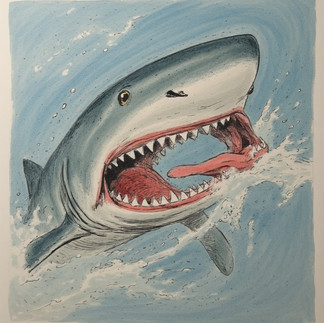


The shark’s slow metabolism and cold environment explain its long lifespan.
It feeds on fish and marine mammals, sometimes scavenging on whale carcasses.
Despite its size, it is not aggressive toward humans and rarely encounters people due to its deep-sea habitat.
These findings have shifted the Greenland shark’s image from a fearsome sea monster to a fascinating subject of study. It highlights how science can demystify nature while still respecting its wonders.


The Greenland Shark in Modern Culture
The Greenland shark continues to inspire artists, writers, and filmmakers. Its mysterious nature makes it a popular subject in documentaries and underwater photography. The shark’s story connects people to the Arctic’s fragile ecosystem and raises awareness about ocean conservation.


Documentaries: Films exploring the deep sea often feature the Greenland shark to showcase life in extreme environments.
Art and Literature: The shark appears in poems and paintings that explore themes of time, mystery, and survival.
Conservation Efforts: Understanding the Greenland shark’s role in the ecosystem helps promote efforts to protect Arctic marine life from climate change and human impact.

Final Thoughts
The Greenland shark remains one of the ocean’s most intriguing creatures. Its long history, rich folklore, and recent scientific discoveries create a fascinating story that blends myth and reality. This shark teaches us about the mysteries of the deep sea and the ways humans have tried to understand the unknown.

Exploring the Greenland shark’s myths and history invites us to appreciate the natural world’s complexity and the cultural stories that shape our view of it. Whether seen as a ghostly guardian of the deep or a symbol of endurance, the Greenland shark continues to captivate and inspire curiosity.
F.A:::...


Comments