
Uncovering the Untold Story: The Origin, Evolution, and Future of XBOX and Its Impact on Neuroplasticity and Creativity After a Stroke

The gaming industry has transformed dramatically since the days of basic arcade machines. One standout in this arena is Microsoft's Xbox. Not only has it pushed the boundaries of gaming, but it also shows promise in areas like neuoplasticity and creativity development for stroke recovery. This post will explore the rich history of the Xbox, its evolution, and its surprising role in enhancing recovery for stroke patients.

The Origins of Xbox
The Xbox launched in November 2001, marking Microsoft’s venture into gaming consoles after a legacy of software development. The team, led by Seamus Blackley, aimed to create more than just a console; they sought to provide an experience that harnessed the Windows operating system's power.

The first Xbox included a built-in hard drive, revolutionizing online gaming through Xbox Live. At its peak, Xbox Live had over 90 million users by 2020, changing how players interacted and shared their experiences.

Initially met with skepticism due to its bulkier design, Xbox quickly gained traction. The release of Halo: Combat Evolved became a pivotal moment, solidifying Xbox as a household name and helping to sell over 24 million consoles by the end of 2004.
The Evolution of Xbox: From Console to Ecosystem
Since its inception, the Xbox has greatly evolved. The Xbox 360 debuted in 2005, introducing high-definition graphics and the Kinect motion sensor, which sold over 35 million units by 2015. This platform allowed users to enjoy a robust online network and enormous game library.
The Xbox One launched in 2013 as an all-in-one entertainment hub. It integrated cloud gaming and backward compatibility while focusing on user engagement. With over 61 million units sold as of 2020, it showcased Microsoft's dedication to consumer satisfaction.
Most recently, the Xbox Series X and Series S launched in November 2020, offering features such as fast load times and ray tracing, making it a frontrunner in console performance. The Xbox Game Pass service allows gamers to access over 100 games, showing how Xbox is pioneering in creating an interactive ecosystem.
What does the future hold for Xbox?
Looking ahead, Xbox is diving deeper into cloud gaming through xCloud, allowing players to access games on various devices without needing intensive hardware. This focus on accessibility hints at an exciting future for Xbox users, especially those with disabilities or special needs.

Xbox and Its Role in Neuropolasticity
Neuropolasticity refers to the brain's ability to change and adapt. After a stroke, patients often struggle with motor skills and cognitive functions. Recent studies suggest that interactive gaming, including Xbox games, can aid in physical rehabilitation.

Games utilizing Kinect, which requires full-body movement, encourage players to engage physically. Research indicates that gaming can activate key areas of the brain, promoting motor skill recovery. In a recent study, participants who played motion-controlled games showed nearly a 30% improvement in motor skills compared to non-gamers.

This diverse library of games means patients can select experiences tailored to their needs, showcasing Xbox as not just gaming equipment but a therapeutic resource.
Enhancing Creativity Post-Stroke
Creativity extends beyond traditional arts; it involves problem-solving skills necessary during recovery. Engaging in Xbox games can inspire creative thinking for stroke survivors. For instance, titles like Minecraft and Portal challenge players to strategize and solve problems cooperatively.
Research shows that participants who engage in gaming reported a 25% improvement in cognitive flexibility. This dynamic experience can nurture adaptive thinking, helping stroke survivors regain confidence in daily tasks.

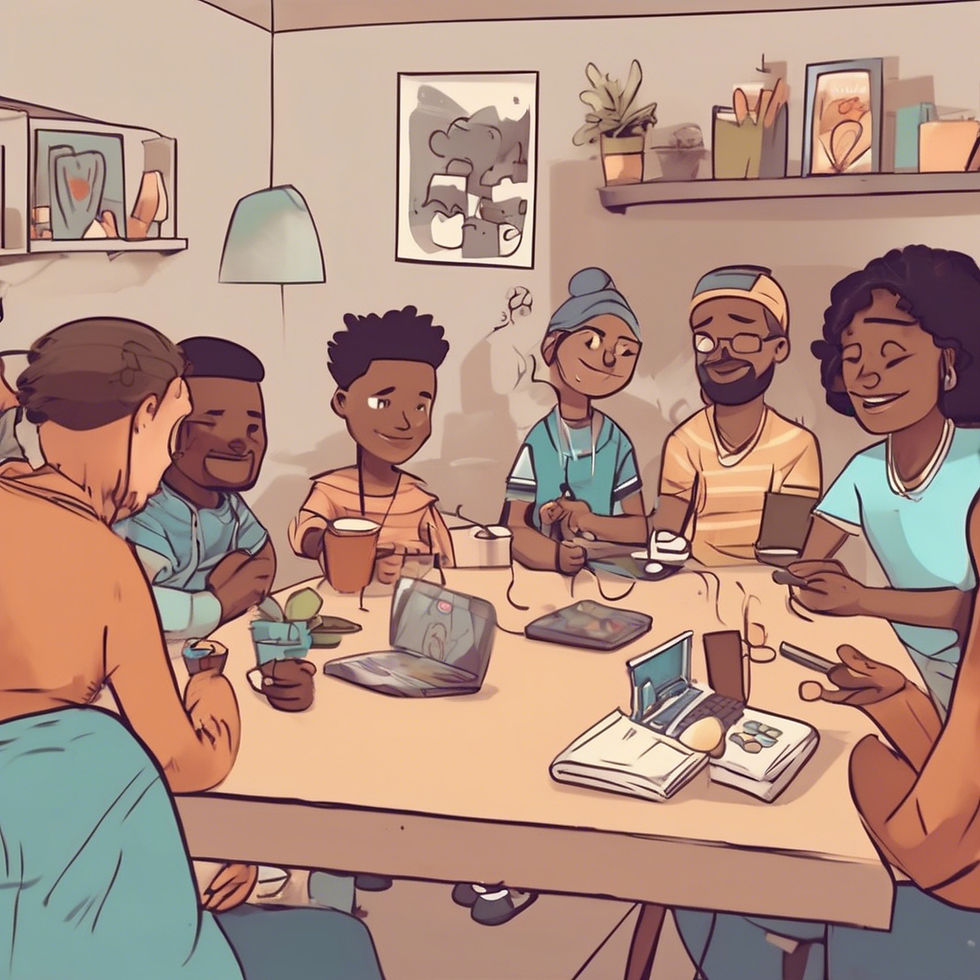
Multiplayer modes further enhance social interactions, providing support and encouragement from peers facing similar challenges. This communal experience plays a vital role in emotional recovery, reinforcing social bonds that can aid healing.
The Future of Gaming and Rehabilitation
As the gaming industry moves forward, so do the possibilities of integrating consoles like Xbox into therapeutic settings. Future innovations may include AI that personalizes games for specific rehabilitation goals or platforms connecting health professionals with patients.
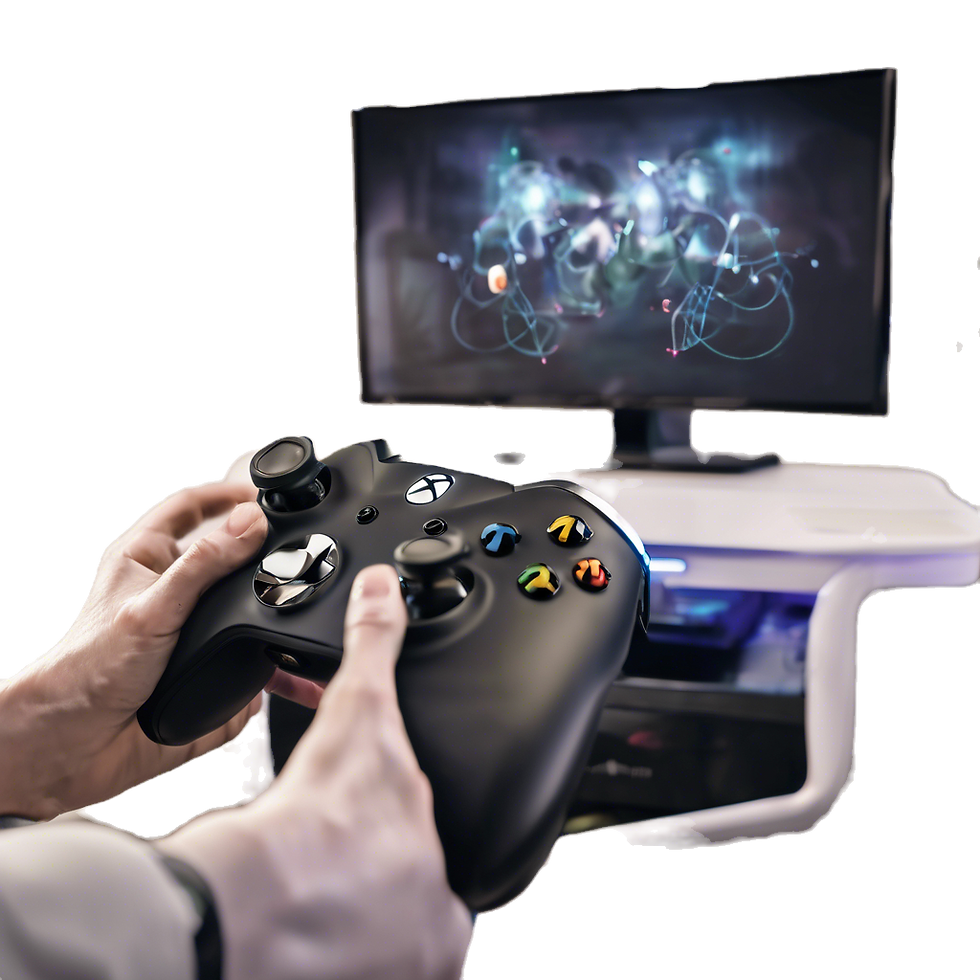
The potential of Xbox goes beyond entertainment. It can significantly impact health recovery, being recognized and utilized by more health professionals in rehabilitation practices.
The Journey Ahead
The Xbox's evolution from a gaming console to a comprehensive platform for creativity and potential rehabilitation is impressive. As we investigate its history and development, the unexpected benefits it offers in promoting neuroplasticity and enhancing creativity after a stroke become increasingly clear.
With advancements in technology, the future looks promising for Xbox. Its adaptability will influence gaming in therapy and showcase its transformative potential beyond mere entertainment.

FRANCO ARTESEROS...



Comments