
The Rich Tapestry of Galicia: Exploring Culture, Folklore, and Storytelling Through the Lens of ARTESEROSEK


Galicia, a region in the northwest of Spain, holds a unique place in the cultural map of Europe. Its identity, shaped by centuries of history, is deeply rooted in its folklore, traditions, and storytelling. As someone who has long admired the depth and beauty of Galicia Spain, I want to share how this region’s culture evolved and why it continues to captivate those who explore it through the lens of ARTESEROSEK.

Origins of Galicia’s Culture
Galicia’s culture is a blend of ancient influences, shaped by its Celtic roots, Roman occupation, and later, medieval Christian traditions. The region’s Celtic heritage is especially significant. Unlike much of Spain, Galicia shares cultural traits with other Celtic regions such as Ireland and Brittany. This connection is visible in its music, language, and festivals.
The Galician language, Gallego, is a Romance language closely related to Portuguese but with its own distinct identity. It reflects the region’s history and the resilience of its people in preserving their linguistic heritage despite centuries of external influence.
The landscape of Galicia, with its rugged coastline, dense forests, and misty mountains, has also played a role in shaping its culture. The natural environment inspired many legends and stories that have been passed down through generations.
The Evolution of Folklore in Galicia
Folklore in Galicia is rich and varied, filled with mythical creatures, ancient rituals, and symbolic festivals. One of the most famous figures in Galician folklore is the Santa Compaña, a procession of ghostly figures said to wander the night, warning of death or misfortune. This legend reflects the region’s deep connection to the supernatural and the spiritual world.
Another important element is the meigas, or witches, who are part of popular belief and storytelling. Unlike the negative stereotypes often associated with witches elsewhere, Galician meigas are complex figures, sometimes healers, sometimes tricksters, embodying the mystery of nature and human life.
Festivals such as the Festa de San Xoán celebrate the summer solstice with bonfires and rituals meant to protect against evil spirits. These events are not only cultural celebrations but also a way to keep ancient traditions alive in modern times.
Storytelling as a Cultural Pillar
Storytelling in Galicia is more than entertainment; it is a way to preserve history, teach values, and connect communities. Oral traditions have been essential in passing down knowledge about the land, the sea, and the people.
The Cantigas de Santa María, medieval songs praising the Virgin Mary, are an example of how storytelling combined with music to create a powerful cultural expression. These songs were performed by troubadours and remain a vital part of Galicia’s musical heritage.
In rural Galicia, elders often share tales of local heroes, mythical creatures, and historical events during gatherings. These stories create a shared identity and help younger generations understand their roots.
ARTESEROSEK’s Perspective on Galician Culture
ARTESEROSEK approaches Galicia’s culture with respect and curiosity, highlighting its authenticity and depth. Through photography, art, and storytelling, ARTESEROSEK captures the essence of Galicia Spain, focusing on the details that reveal its soul.
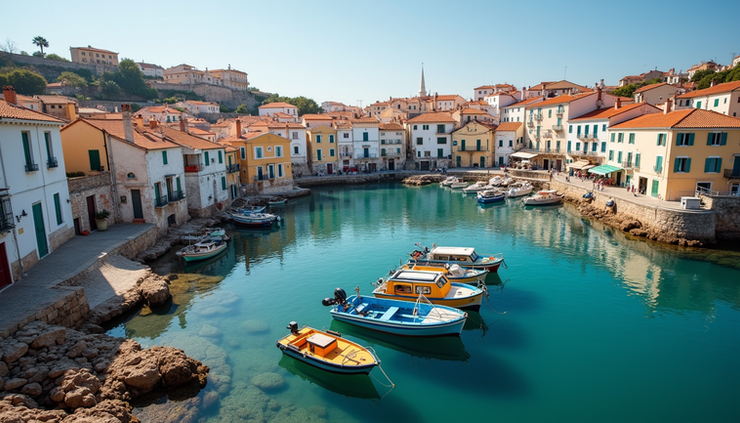
For example, the traditional rías (coastal inlets) and fishing villages are not just scenic spots but living testimonies of a way of life connected to the sea. ARTESEROSEK’s work often showcases these places at dawn or dusk, when the light reveals textures and colors that tell stories of resilience and harmony with nature.
Preserving and Sharing Galician Traditions Today
Today, Galicia continues to celebrate its culture through festivals, music, and crafts. The Rapa das Bestas, a traditional event where wild horses are rounded up and groomed, is a vivid example of how ancient customs survive in contemporary life.
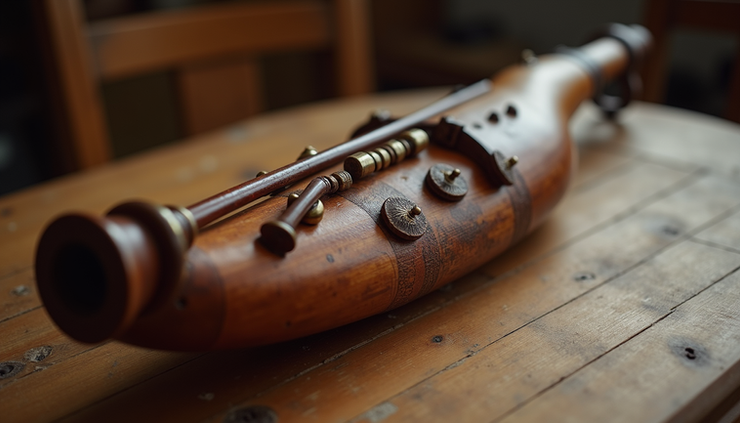
Galician bagpipes, or gaitas, remain central to the region’s music, played at weddings, fairs, and public celebrations. These instruments connect the present with the past, echoing the sounds heard by ancestors centuries ago.
Efforts to preserve the Galician language and folklore are supported by cultural institutions and local communities. Schools teach Gallego alongside Spanish, and storytelling workshops encourage young people to engage with their heritage.
The Role of Storytelling in Modern Galicia
Storytelling has adapted to modern times with new media and platforms. Podcasts, films, and books explore Galician myths and history, reaching wider audiences. This evolution ensures that the stories remain relevant and continue to inspire.
For those passionate about Galicia Spain, engaging with its culture means more than visiting landmarks. It means listening to the stories, understanding the symbols, and appreciating the everyday life that carries centuries of tradition.
Embracing Galicia’s Cultural Legacy
Galicia’s culture is a living, breathing entity shaped by its history, landscape, and people. Its folklore and storytelling offer a window into the values, fears, and hopes of the Gallegos. Through the lens of ARTESEROSEK, we see a region that honors its past while embracing the present.
For anyone interested in Galicia Spain, diving into its culture means discovering a world where every story, song, and tradition carries meaning. It invites us to connect with a place that has preserved its identity through centuries of change.

FRANCO ARTESEROS:::...



Comments