
The Evolution of Physical Therapy: From Traditional Practices to AI and Digital Innovations

Updated: Apr 14
Physical therapy has long been a vital part of healthcare, helping people recover from injuries, manage chronic conditions, and improve mobility. Over time, this field has transformed dramatically, moving from hands-on manual techniques to incorporating advanced technologies like artificial intelligence (AI) and digital therapy tools. This evolution reflects how healthcare adapts to new knowledge and technology to better serve patients.

The Origins and Early History of Physical Therapy
Physical therapy’s roots trace back thousands of years. Ancient civilizations such as Egypt, Greece, and China used massage, hydrotherapy, and exercise to treat injuries and illnesses. Hippocrates, often called the father of medicine, wrote about the benefits of manual therapy and exercise around 400 BCE.
In the 19th century, physical therapy began to take shape as a formal discipline. The use of massage and therapeutic exercises became more systematized, especially in Europe. The term “physiotherapy” was coined during this period, emphasizing treatment through physical means rather than drugs or surgery.
The two World Wars played a significant role in advancing physical therapy. The need to rehabilitate injured soldiers led to the development of new techniques and training programs. This era saw the establishment of professional organizations and educational standards, laying the foundation for modern physical therapy practice.
The Evolution Through the 20th Century
The 20th century brought rapid growth and specialization. Physical therapy expanded beyond injury recovery to include treatment for neurological disorders, chronic pain, and post-surgical rehabilitation. Techniques such as electrotherapy, ultrasound, and traction became common tools.
Education and research also advanced. Universities began offering dedicated degrees in physical therapy, and scientific studies helped validate effective treatments. The profession gained recognition as an essential part of healthcare teams.
Technology started to influence physical therapy in the late 20th century. Machines to assist with muscle stimulation and computerized tracking of patient progress emerged. Still, the core of therapy remained hands-on care combined with guided exercise.

The Role of AI and Digital Therapy in Modern Physical Therapy
Today, physical therapy is undergoing another transformation driven by AI and digital innovations. These technologies are changing how therapists assess, treat, and monitor patients.
AI in Assessment and Personalized Treatment
AI algorithms can analyze large amounts of patient data to identify patterns and predict recovery outcomes. This helps therapists design personalized treatment plans tailored to each patient’s unique needs. For example, AI can track movement through sensors and cameras, detecting subtle changes that may indicate improvement or risk of injury.
Digital Therapy and Remote Care
Digital therapy platforms allow patients to perform guided exercises at home with real-time feedback. Mobile apps and wearable devices monitor adherence and progress, sending data back to therapists. This approach increases access to care, especially for those in remote areas or with mobility challenges.
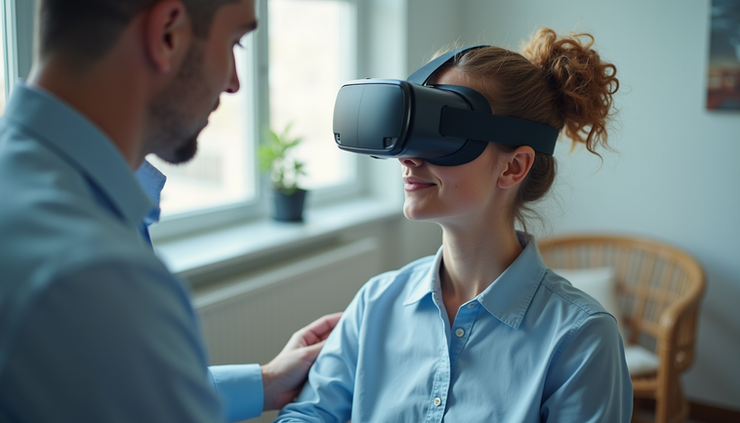
Virtual reality (VR) and augmented reality (AR) are also emerging tools. They create immersive environments where patients can practice movements and balance exercises in a controlled, engaging way. These technologies can improve motivation and outcomes.
The Virtual Creative Factory Concept
The Virtual Creative Factory is a new model combining AI, digital therapy, and collaborative design. It enables therapists, patients, and developers to co-create customized rehabilitation programs. Using virtual platforms, teams can simulate treatments, adjust protocols, and innovate new approaches faster than traditional methods.
This model supports continuous learning and adaptation, ensuring therapy evolves with patient needs and technological advances.
Practical Examples of AI and Digital Innovations in Physical Therapy
Stroke Rehabilitation: AI-powered robotic exoskeletons assist patients in relearning walking patterns. Sensors provide feedback to therapists, allowing precise adjustments.
Chronic Pain Management: Digital platforms offer cognitive behavioral therapy combined with physical exercises, helping patients manage pain without over-reliance on medication.
Sports Injury Recovery: Wearable devices track athletes’ movements during rehab, alerting therapists to improper form or fatigue that could cause setbacks.
These examples show how technology supports more effective, personalized, and accessible care.
Looking Ahead: The Future of Physical Therapy
Physical therapy will continue to integrate new technologies while maintaining its human-centered approach. AI and digital tools will enhance therapists’ skills rather than replace them. The focus will remain on improving patient outcomes through better assessment, engagement, and tailored treatment.
Therapists will need ongoing training to use these tools effectively. Ethical considerations around data privacy and equitable access will also shape the future landscape.
Patients can expect more convenient, interactive, and responsive therapy experiences. The combination of traditional expertise and modern innovation promises a stronger, more adaptable physical therapy field.

Franco Arteseros:::...


Comments