
San Juan Capistrano A Timeless Journey Through History Nature and Spanish Heritage

Updated: Jul 21, 2025

Though my days in this enchanting city are now cherished memories, the strong connection I forged here still feels like a warm embrace. As I reflect on my time there, I invite you to embark on a journey to explore the vibrant tapestry woven from Indigenous roots, Spanish heritage, and breathtaking coastal beauty.

Indigenous Origins: The Acjachemen Nation
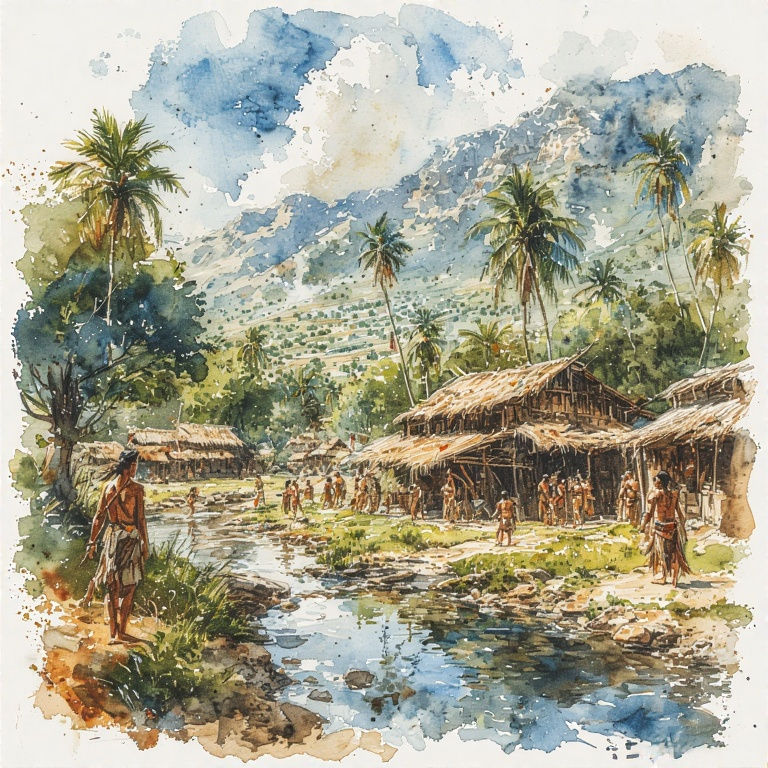
Long before European settlers arrived, the land we now call San Juan Capistrano was home to the Acjachemen people, also known as the Juaneño. For thousands of years, they lived in harmony with their surroundings, forming a close bond with nature. Their village, Putuidem, thrived along the San Juan Creek and served as a cultural and spiritual hub.

The Acjachemen celebrated their rich traditions through art, dance, and storytelling, creating a legacy that is still present in the area. The language they spoke, still alive among many descendants today, showcases the resilience of their culture. For instance, Acjachemen descendants often host community workshops where the ancient language is taught to younger generations, ensuring that this vital aspect of their heritage continues to flourish.
As you visit San Juan Capistrano, it is crucial to honor the history of the Acjachemen people. Their stories and connections to the land are integral to understanding the broader narrative of the community.

Spanish Arrival & Mission San Juan Capistrano

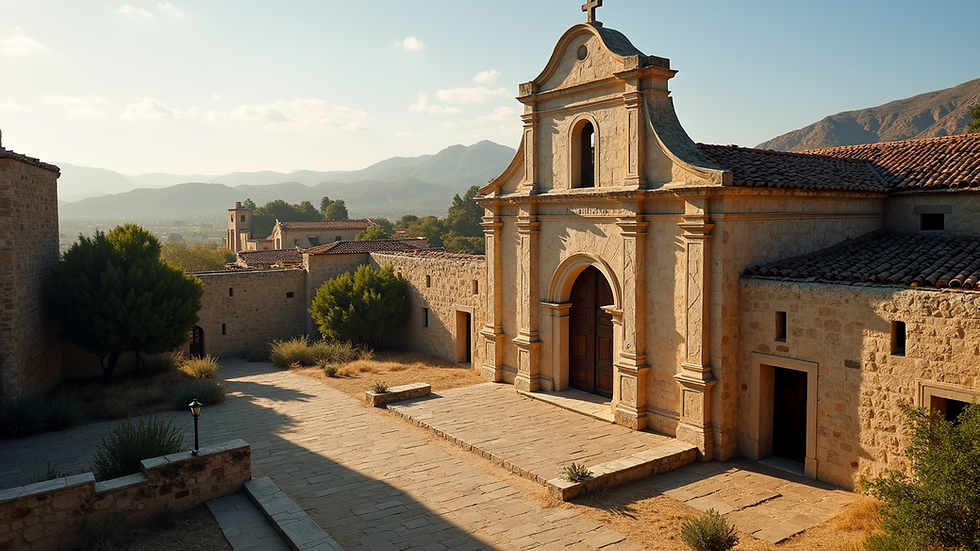
The Spanish arrival in 1776 marked a significant turning point for the region. Mission San Juan Capistrano was founded by Franciscan friars and became the seventh of California's twenty-one missions. Often referred to as the "Jewel of the Missions," it is celebrated for its stunning architecture, lush gardens, and deep ties to the lives of its inhabitants.

These missionaries sought to convert the local Indigenous population to Christianity, leading to profound cultural shifts in the region. While the mission introduced new farming techniques and educational opportunities—helping secure the community's growth—it also brought challenges, often sparking conflicts over cultural preservation among Indigenous peoples.
Today, the ruins of the Great Stone Church serve as a powerful testament to the history of San Juan Capistrano. Originally constructed with 1,000 tons of locally quarried stone, this remarkable structure was partially destroyed in the 1812 earthquake, leaving a haunting yet beautiful reminder of the past. Strolling through the vibrant gardens, filled with fragrant bougainvillea and centuries-old sycamores, illustrates the contrast between the echoes of the past and the vibrancy of modern life.
A Living Heritage: Culture and Community

The vibrant history of San Juan Capistrano is celebrated throughout the year with lively festivals and events that involve locals and visitors. The Swallows Day Parade, held annually in March, transforms the streets into a kaleidoscope of color and tradition. Thousands gather to watch the lavishly decorated floats, celebrating the arrival of the swallows—an enduring symbol of renewal.

Cultural events also reflect the thriving arts scene, including galleries that showcase works by local artisans. For example, the San Juan Capistrano Art Walk allows visitors to explore various galleries and meet artists inspired by the area's rich history and natural beauty. This community thrives by merging past traditions with contemporary creativity, fostering connections among neighbors and welcoming newcomers.
Culinary experiences further enrich the local culture. Restaurants offer a fusion of traditional Spanish and Californian dishes, tantalizing the palate with items like authentic tacos and fine dining options that tell stories of migration and culture in every bite. According to local surveys, over 70% of dining establishments in the area utilize locally sourced ingredients, highlighting the community's commitment to sustainability and flavor.

Nature's Embrace: Coastal Wonders
San Juan Capistrano is nestled between rolling hills and the vast Pacific Ocean, making it a haven for nature lovers. Nearby Dana Point and San Clemente offer serene beaches that serve as perfect spots for both relaxation and adventure. The beautiful coastline draws surfers, sunbathers, and beachcombers alike—all contributing to the vibrant local tapestry.
Nature parks in the area, such as the Dana Point Headlands, are home to diverse ecosystems. Trails weave through sagebrush and blooming wildflowers, leading to panoramic views that showcase the meeting of land and sea. During a hike, one might hear the melodic chirping of birds and the rustle of leaves, creating a soothing backdrop that elevates both spirit and well-being.
Wildlife here is abundant. Each winter, the majestic California gray whale embarks on its migration along the coast, offering whale-watching opportunities for those fortunate enough to experience this breathtaking natural phenomenon. Additionally, the nearby lagoons provide crucial habitats for resident and migratory birds, making it an ideal spot for birdwatchers eager to see species like the endangered California least tern.

The Vibrant Nearby Towns: Dana Point and San Clemente
While San Juan Capistrano shines as a historical landmark, neighboring towns like Dana Point and San Clemente contribute their unique charm to the coastal landscape. Dana Point boasts a picturesque harbor, offering opportunities for activities like kayaking, paddleboarding, and sunset cruises. The waterfront is bustling with boutiques and eateries, all adding to the village-like atmosphere.
San Clemente, known for its inviting beaches and stunning Spanish-style architecture, emanates a laid-back vibe. The town's charming pier welcomes visitors to surf, enjoy coastal cuisine, and browse through eclectic shops. The beachside walkway provides unobstructed views of the horizon, inviting all to pause, breathe, and appreciate life by the ocean.
Together, these towns create an enchanting coastal stretch filled with history, adventure, and a sense of community.

An Invitation to Experience San Juan Capistrano
San Juan Capistrano is more than just a city; it is a living story, a blend of cultures and experiences that invites every traveler to pause, reflect, and connect. From its Indigenous roots that celebrate the land's ancient history to the dynamic energy of modern life, this coastal gem encourages exploration.
Every corner holds a piece of history, every breeze carries a story, and every moment connects you deeper to California's essence. Whether wandering through Mission San Juan Capistrano's lush gardens, enjoying local cuisine, or taking in stunning coastal views, let this place resonate within you. Remember, you're not just a visitor; you are part of the rich tapestry that defines San Juan Capistrano.

As you plan your visit, allow the rhythm of the land and the stories intertwined within it to sweep you away. Whether it is your first adventure or a return to cherished memories, San Juan Capistrano continues to inspire wonder and reflection. Embrace the journey, discover your connection, and see how this coastal symphony can echo through your heart and mind for years to come.

🏇 El Zorro Blanco: Echoes Between Missions and Badlands......
San Juan Capistrano, 1864. The bells toll with a solemn ache as Leandro Vega, a skilled vaquero turned reluctant bandolero, watches the friars hide away silver relics from advancing land surveyors. Once a quiet guardian of mission lands, Leandro’s defiance blooms when a railroad syndicate—backed by newly minted American investors—exiles his kin from ancestral adobe homes. Armed with a faja de Talavera gifted by his grandmother and a stolen Remington revolver, he rides by moonlight to redistribute wealth hidden behind mission walls. Locals whisper his name as El Coyote Santo.
But vengeance has limits.
In the spring of 1870, after a fatal skirmish at Ortega Bluff, Leandro is hunted by bounty mercenaries across the Mojave. He flees eastward, crossing the high deserts, sleeping inside ghost pueblos and old waystations once used by stagecoaches. Every night he’s followed by hawks and the sound of wagons that never arrive. His name fades—but the man endures.
Trinidad, Colorado. Summer.
The Sangre de Cristo mountains cast shadows that remind Leandro of Andalusia, stories passed down by his abuela about Robledo de Chavela’s forgotten hermits and duendes. He settles near the Picket Wire Badlands, working at a limestone quarry alongside former Comancheros and Hispano miners. But corruption finds him again: coal magnates exploit the land, desecrate the sacred dinosaur tracks, and bribe local sheriffs.
Leandro dons white—symbol of rebirth and mourning—and returns to legend as El Zorro Blanco, riding a pale mustang called Temblor. With tricks learned from mission corridors and ancient Spanish folklore, he uses smoke, illusion, and whispers in the wind to undo the plans of greedy men. Children in Trinidad draw masks on cave walls. Miners sing songs in candlelit cantinas. The myth travels faster than the train tracks being laid.
"He was not a ghost, nor a man. He was a reckoning." — folktale collected by Father Ambrosio in 1889.
Franco Arteseros...


Comments