
How Colorado's Geological Legacy Shaped Red Rocks as the Ultimate Natural Opera House
- Franco Arteseros
- 22 hours ago
- 3 min read
Updated: 2 minutes ago

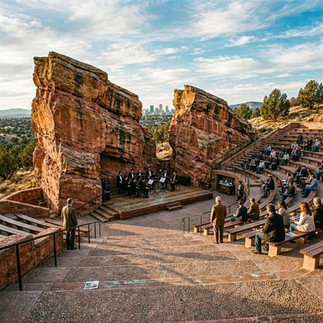


When most people think of Red Rocks, they picture a popular outdoor concert venue nestled among striking red sandstone formations near Denver, Colorado. Yet, this iconic site is far more than a modern music stage. It represents the culmination of a century-long quest to find a natural space with perfect acoustics, a true "Natural Opera House" carved by geological forces and human vision. The story of Red Rocks reveals how Colorado’s rugged history and ancient earth shaped a masterpiece that blends nature, art, and sound in extraordinary ways.

From Indoor Stone Opera Houses to the Open Western Sky
The journey toward Red Rocks as a natural opera house begins in the 1870s with Welsh gold miners in Colorado’s Central City. These miners built the Central City Opera House, a jewel-box theater made of stone, designed to bring classical music indoors to a growing mining town. This venue reflected European traditions of indoor elegance and acoustics, but it also planted a seed: the desire for a space that could hold grand performances while embracing the vastness of the American West.


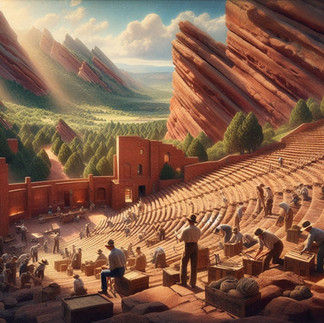


As the Western frontier expanded, classical artists and audiences began to outgrow the confines of indoor theaters. The open landscapes inspired a new vision—could nature itself provide a stage and acoustics that rivaled the finest European opera houses? This question set the stage for what would become Red Rocks.




The Acoustic Revelation of 1911
The defining moment came in May 1911 when Mary Garden, a world-famous opera soprano, stood on a simple wooden platform nestled between the raw sandstone monoliths of what is now Red Rocks. She sang into the open air, and the sound carried with a clarity and richness that surprised everyone present.

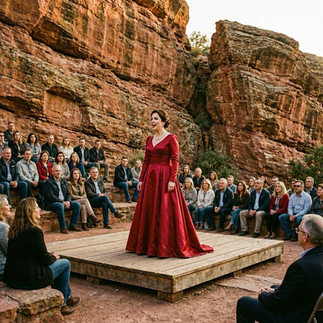


Garden declared the site acoustically superior to any grand opera house in Europe. This was no small praise coming from a celebrated artist who had performed in the world’s most prestigious venues. The natural contours of the sandstone created an acoustic environment that amplified and enriched sound without artificial enhancement.

This revelation confirmed that the Earth itself had crafted a perfect instrument, waiting for human hands to shape it into a performance space.

The Sculpted Masterpiece of the 1930s
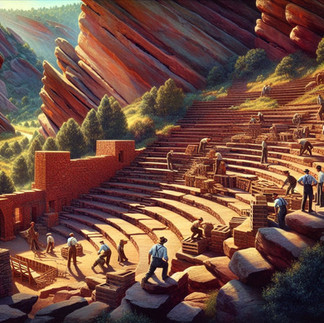
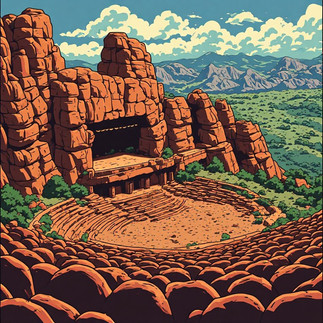
The Civilian Conservation Corps (CCC) took on the task of building the Red Rocks Amphitheatre in the 1930s. Importantly, they did not create the theater from scratch. Instead, they designed seating and pathways that wrapped around the existing geological formations, preserving the natural acoustics and beauty.

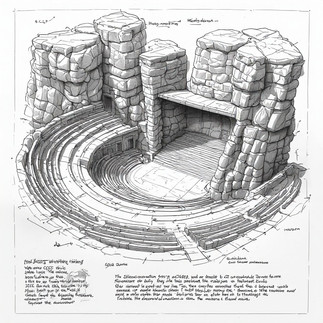

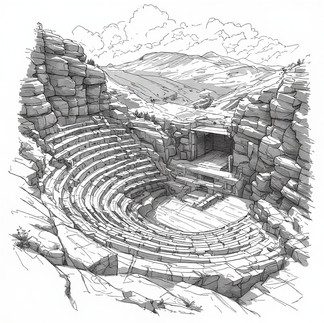


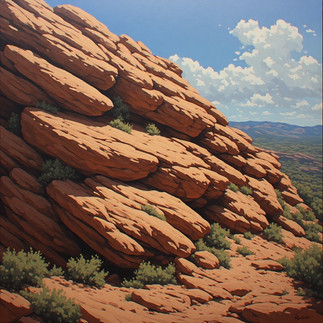
The sandstone that forms Red Rocks is part of the Fountain Formation, dating back approximately 300 million years. This ancient rock, shaped by natural forces over millennia, acts as a giant acoustic instrument. The CCC’s work respected this legacy, enhancing accessibility and comfort without compromising the site’s natural sound qualities.

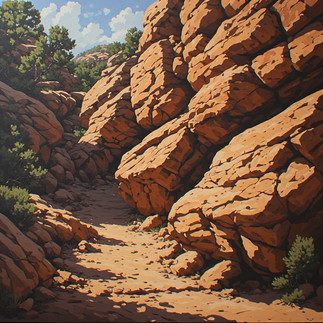


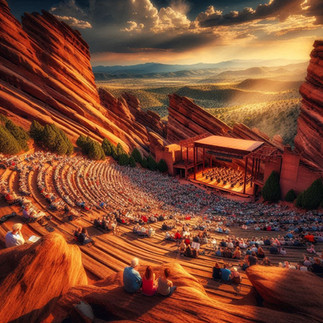
Today, Red Rocks stands as a testament to the power of nature and thoughtful human design working together. The amphitheater seats thousands, yet every note sung or played resonates with clarity, warmth, and depth.









What Red Rocks Teaches Us About Art and Nature
Red Rocks challenges the idea that great art requires elaborate indoor settings modeled on European traditions. Instead, it shows that sometimes the most extraordinary stages are those the Earth builds for us.


This natural opera house invites us to appreciate the intersection of geology, history, and culture. It reminds us that art can flourish not only through human creation but also through the embrace of natural wonders.
For visitors and performers alike, Red Rocks offers an experience that connects sound, space, and story in a way no man-made venue can match.

Red Rocks is more than a concert venue. It is the result of Colorado’s geological past and cultural evolution coming together to create a natural masterpiece. From the miners’ stone opera house to Mary Garden’s 1911 performance and the CCC’s respectful construction, this site reveals how nature’s design can surpass human expectations.





FRANCO ARTESEROS:::...