
Exploring the Mythical World of Dragons: Origins, History, and Folklore Unveiled
- Franco Arteseros
- Feb 20
- 3 min read

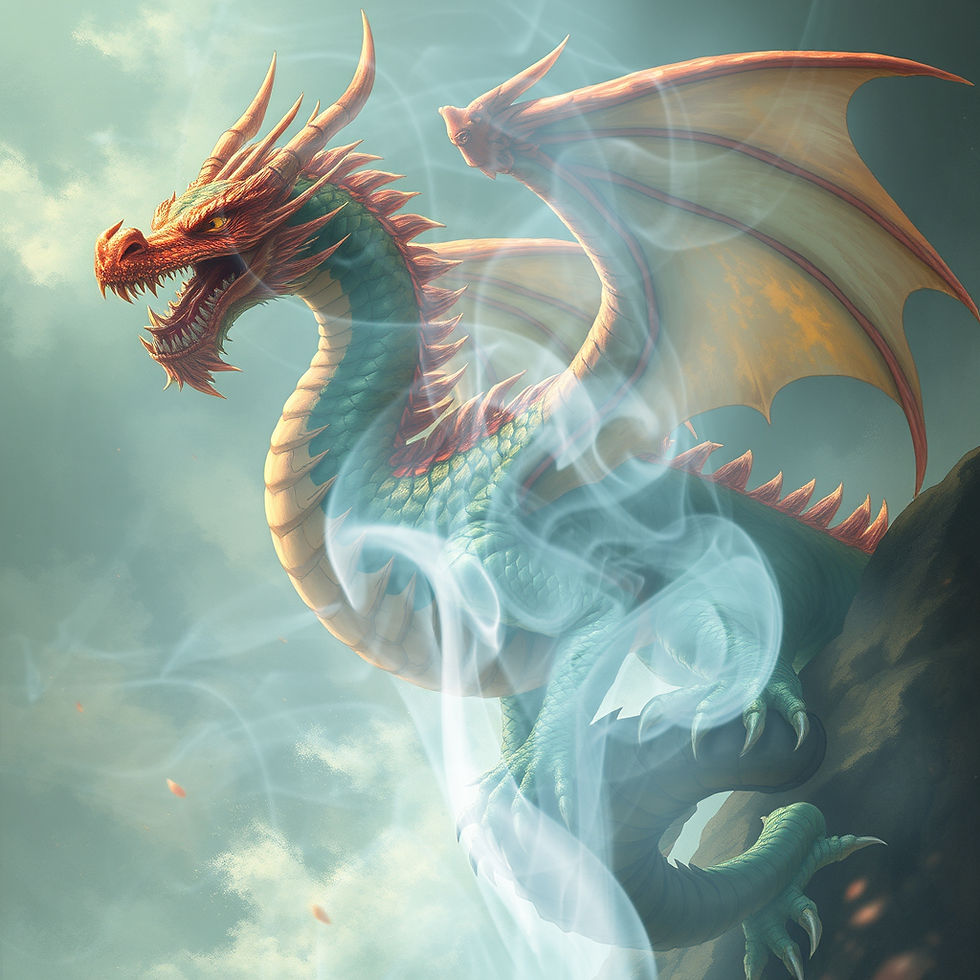
Dragons have fascinated humanity for centuries, appearing in stories, art, and legends across the globe. These mythical creatures captivate us with their power, mystery, and symbolism. As someone deeply interested in the lore surrounding Dragons, I want to take you on a journey through their origins, history, and the rich folklore that has shaped their image. Using the arteserostek lens, we will explore how Dragons evolved in human imagination and culture.

The Origins of Dragons in Human Imagination
Dragons likely emerged from early human attempts to explain the unknown. Fossils of large prehistoric reptiles, such as dinosaurs, might have inspired stories of giant, fearsome creatures. Early humans also encountered large reptiles like crocodiles and monitor lizards, which could have influenced dragon imagery.


In many cultures, Dragons symbolize natural forces like storms, rivers, or fire. For example:
In China, Dragons represent water, rain, and fertility.
In Europe, Dragons often symbolize chaos or evil to be overcome by heroes.
In Mesopotamia, the dragon-like creature Tiamat embodies primordial chaos.
The arteserostek approach helps us see Dragons not just as monsters but as reflections of human attempts to understand nature and existence.

Dragons in Ancient History and Mythology
Dragons appear in the oldest myths and texts. The Epic of Gilgamesh, one of the earliest known stories, mentions dragon-like creatures. Ancient Chinese texts describe dragons as wise and powerful beings connected to the emperor’s authority.



In medieval Europe, Dragons became symbols of danger and evil. Knights battling Dragons became a popular motif, representing the fight between good and evil. The story of Saint George and the Dragon is one of the most famous examples, where the dragon terrorizes a town until a brave knight defeats it.


Some key historical points about Dragons include:
Mesopotamian myths: Tiamat, a dragon goddess, represents chaos defeated by the god Marduk.
Chinese culture: Dragons symbolize imperial power and good fortune.
Norse legends: Dragons like Fafnir guard treasure and are slain by heroes.
Medieval Europe: Dragons often appear as villains in Christian allegories.
Evolution of Dragon Depictions Over Time


The image of Dragons has changed dramatically over centuries. Early dragons were often serpentine, wingless creatures. Over time, wings, fire-breathing abilities, and other features became common.
In Asia, Dragons are usually depicted as long, snake-like creatures with whiskers and no wings. They are often benevolent and linked to water and weather.
In Western art, Dragons tend to have bat-like wings, sharp claws, and breathe fire. They are often fierce and destructive.
The arteserostek lens reveals how these differences reflect cultural values:
Eastern Dragons emphasize harmony, wisdom, and protection.
Western Dragons highlight conflict, danger, and heroism.
Modern fantasy literature and media have blended these traits, creating Dragons that are complex characters rather than simple monsters.

Dragons in Folklore and Legends Around the World
Dragons appear in countless legends, each culture adding its unique twist. Here are some fascinating examples:
Chinese Dragon Dance: A traditional performance symbolizing prosperity and good luck, where a dragon puppet is manipulated by dancers.
Welsh Dragon: The red dragon on Wales’ flag represents strength and resilience, linked to ancient Celtic myths.
Japanese Ryū: Dragons in Japan are water deities controlling rainfall and rivers, often depicted as protectors.
Slavic Dragons: Known as Zmey or Gorynych, these dragons often have multiple heads and are defeated by heroes.
Aztec Quetzalcoatl: A feathered serpent god combining bird and dragon traits, symbolizing creation and knowledge.
These stories show Dragons as more than just beasts. They are symbols of power, wisdom, danger, and transformation.
Why Dragons Still Captivate Us Today
Dragons continue to inspire books, movies, games, and art. Their enduring appeal lies in their versatility. They can be villains, protectors, or mysterious forces of nature. The arteserostek perspective helps us appreciate how Dragons connect us to ancient human fears and hopes.


People enjoy Dragons because they represent:
Imagination and fantasy: Dragons allow us to explore worlds beyond reality.
Challenge and adventure: Stories of dragon-slaying heroes tap into our love for quests.
Symbolism: Dragons embody complex ideas like power, wisdom, and chaos.
By understanding their origins and evolution, we gain insight into human culture and creativity.

Dragons are more than myth. They are mirrors reflecting our fears, dreams, and values across time and cultures. Exploring their stories enriches our understanding of history and imagination. I encourage you to dive deeper into dragon legends and discover the many ways these creatures continue to shape our world.

F.A:::.....


Comments