
Eternal Freedom: The Mythic Spirit of the Gauchos in La Pampa
- Franco Arteseros
- Feb 17
- 4 min read

Updated: Feb 19


The endless plains of La Pampa stretch beyond the eye’s reach, a vast canvas where sky and earth merge into one. Here, the gaucho rides like a shadow of freedom, a figure carved from myth and reality, embodying the soul of Argentina. I have listened to the stories whispered by elders, tales woven with the dust of the pampas and the rhythm of horses’ hooves. These stories reveal a world where honor, solitude, and nature intertwine—a world where the gaucho lives eternal.

The Horizon That Defines a Spirit
La Pampa is not just a place; it is a feeling, a breath held in the vastness of open land. The horizon here is a line of infinite possibility, where the wind carries stories and the sun paints shadows that dance with the grass. The gaucho’s life is shaped by this horizon—free, untamed, and always moving forward.


This landscape demands resilience. The pampas are harsh and beautiful, a frontier where survival depends on skill and respect for nature. The gaucho learns early that freedom is not given but earned through courage and connection to the land.


Origins of the Gaucho: A Blend of Worlds
The gaucho is a child of many roots. Descended from indigenous peoples, Spanish settlers, and African influences, the gaucho’s identity is a blend of cultures that shaped Argentina’s frontier. This mix created a figure both wild and wise, a symbol of resistance against oppression and a guardian of the open plains.


Their clothing, tools, and customs reflect this heritage: the wide-brimmed sombrero, the bombachas trousers, the boleadoras for hunting, and the faithful horse. Each element tells a story of adaptation and survival in a land that demands respect.


The Code of Honor: Más que palabras
Honor is the invisible thread that holds the gaucho’s world together. It is not written in books but lived in actions and silence. Loyalty to family, respect for friends, and fairness in conflict define this code. A gaucho’s word is his bond, and betrayal is the deepest sin.


This code governs everything—from how they treat their horses to how they face danger. It is a philosophy rooted in dignity and freedom, a quiet rebellion against the constraints of society.

Horsemanship: The Dance of Freedom
The horse is more than a companion; it is an extension of the gaucho’s soul. Mastery of horsemanship is essential, a skill passed down through generations. The gaucho moves with the horse as if they share one breath, one heartbeat.


Riding across the pampas, the gaucho performs a dance of balance and instinct. Whether herding cattle or racing the wind, this bond is sacred. The horse carries stories of battles, festivals, and lonely nights under the stars.


Mate Rituals: The Circle of Connection
In the quiet moments between work and rest, the mate ritual brings the gaucho together with friends and family. Sharing mate is more than drinking tea; it is a ceremony of trust and conversation.


Passing the gourd from hand to hand, the group connects through stories, laughter, and silence. This ritual is a reminder that even in solitude, the gaucho is never truly alone.

Payadas: The Voice of the Pampas
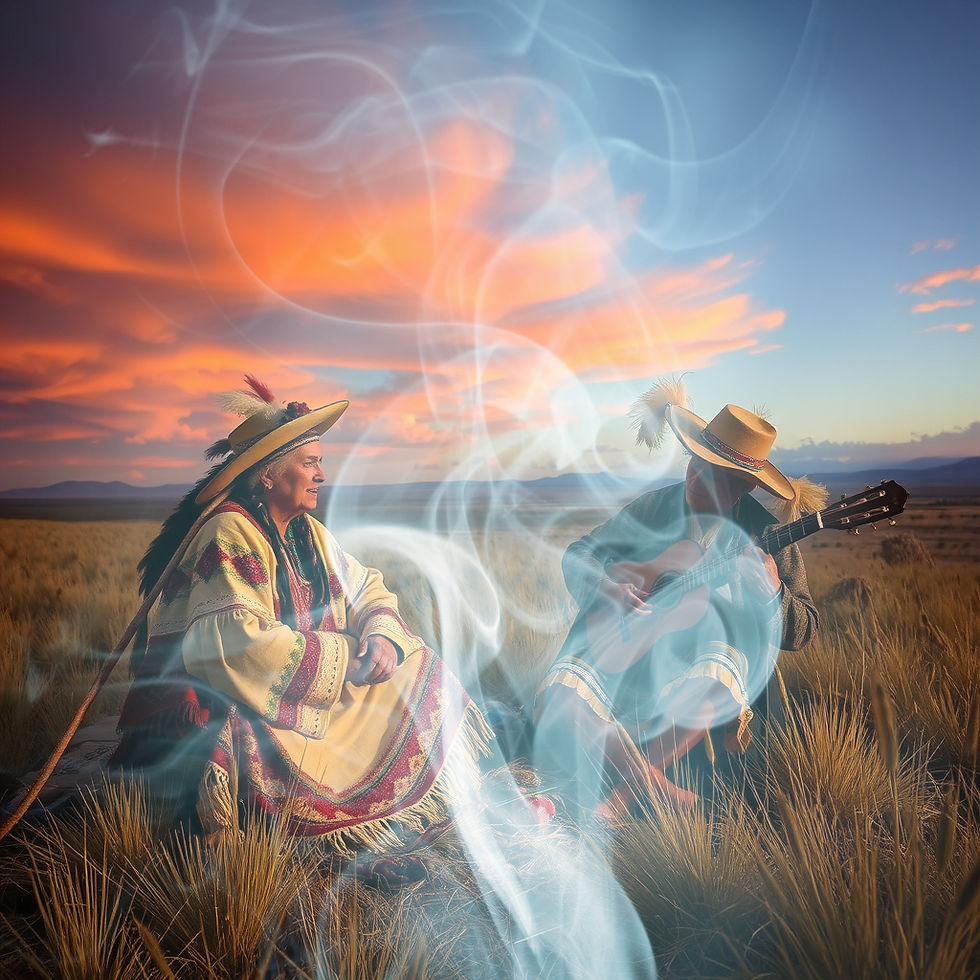
The payada is the gaucho’s song, a poetic duel where two singers exchange verses accompanied by guitar. These improvisations tell tales of love, loss, and the land itself. The payada is a living tradition, a way to preserve history and express the gaucho’s spirit.


Listening to a payada is like hearing the pampas speak. The words carry the weight of generations, echoing the joys and sorrows of a life lived on the edge of the world.
From Frontier Outlaws to National Symbols
Over time, the gaucho transformed from a figure of frontier rebellion to a national icon of Argentina. Literature, art, and folklore elevated the gaucho to mythic status, embodying ideals of freedom and identity.


This transformation reflects Argentina’s search for roots and meaning. The gaucho became a symbol of resistance against colonial powers and modern constraints, a reminder of a time when the land was wild and the spirit unbroken.
Family Memory: Stories Passed Down Like the Wind
I remember sitting by the fire with my abuelo, his voice low and steady as he told me about the gauchos of his youth. His stories were not just history; they were a living memory, a bridge between past and present.

He spoke of a gaucho who rode through storms to protect his family, of nights spent sharing mate and song, of a life where honor was everything. These memories shaped my understanding of freedom—not as escape, but as a deep connection to land, people, and tradition.

The Gaucho Lives as Long as La Pampa Breathes
The spirit of the gaucho is not confined to history books or dusty museums. It rides with the wind, whispers in the grass, and pulses in the heart of Argentina. As long as La Pampa exists, so does the gaucho—free, proud, and eternal.
Mientras La Pampa exista, el gaucho seguirá cabalgando en el alma de Argentina.

F.A:::.....................


Comments