
Lighthouses and Faros: Guardians of Light on the Brink of the Unknown
- Franco Arteseros
- Feb 24
- 4 min read

Updated: Feb 25
Where the earth surrenders to the sea, where the known world folds into mystery, there stand the lighthouses — or faros — ancient sentinels of light and shadow. These structures mark the threshold between land and the vast unknown, a place where human courage meets the wild, where light becomes a language of survival and hope. They are metaphysical machines, guardians of the frontier, symbols of resilience carved from stone and fire. In their glow, we glimpse the eternal dance between darkness and illumination, a story told in two tongues: English and Spanish, lighthouse and faro.


Origins: The First Human Beacons
Long before the towering faros of stone, humans shaped light into direction with simple flames atop cliffs and promontories. These early coastal fires, flickering Bronze Age signal flames, were the first whispers of guidance, a primitive language of warning and welcome. They were the ancestors of the lighthouse, the first human beacons against the vast, unknowable sea.


Among these early lights, the Pharos of Alexandria rises as the mythic tower of purpose. Built in the 3rd century BCE, it was more than a navigational aid; it was a symbol of human mastery over chaos, a colossal flame that bridged the mortal and divine. The Pharos shaped light into a beacon of civilization, a metaphysical machine that transformed fire into destiny.

This origin story reveals a profound truth: humans have always sought to tame the unknown with light, to carve meaning from the void where land ends and mystery begins.


Antiquity to Medieval Era
The Roman Empire inherited and expanded this legacy. The Tower of Hercules in Spain, still standing after nearly two millennia, testifies to the enduring power of these early lighthouses. These towers were not just practical structures; they were monuments to vigilance and endurance.

In the medieval world, faros took on a spiritual dimension. Monastic keepers tended the flames with ritualistic devotion, their solitude echoing the quiet watchfulness of the soul. The lighthouse became a place of sacred duty, a liminal space where human presence met the vast silence of the sea.


This era embodies the ARTESEROSTEK spirit: vigilance as devotion. The lighthouse keeper was a guardian not only of ships but of a sacred flame, a living symbol of hope and protection in a world of uncertainty.

The Engineering Revolution
The story of the Eddystone Lighthouse off the coast of Cornwall marks a turning point. Built on a wave-swept rock, it challenged the sea’s fury with human ingenuity. Its successive iterations tell a tale of engineering triumph over nature’s relentless assault.

The arrival of the Fresnel lens in the 19th century was a technological miracle. This invention compressed light into destiny, focusing beams that could travel farther and pierce deeper into the night. Science and myth converged in the architecture of guidance, where glass and flame became instruments of salvation.


The lighthouse evolved from a simple tower into a complex machine, a fusion of art, science, and myth. It became a symbol of human determination to illuminate the darkness, to carve a path through the unknown.


The Keeper Era
Behind every faro stands the story of its keeper. These solitary figures lived between silence and storm, their lives marked by isolation, ritual, and an unspoken bond with the sea. They kept diaries filled with the language of wind and wave, chronicling storms that tested their resolve.


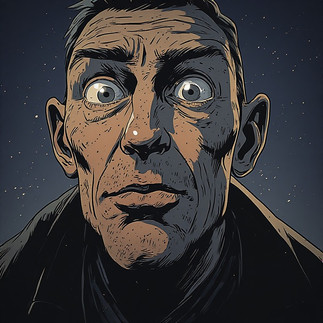
The mystery of the Flannan Isles disappearance, where three keepers vanished without trace in 1900, adds a haunting layer to the keeper’s tale. These guardians of the threshold lived on the edge of reality, where the boundary between the natural and supernatural blurred.


Their service was generational, a lineage of watchfulness and sacrifice. They were the human heart of the lighthouse, embodying resilience and quiet strength.

Symbolism and Metaphysics
Lighthouses and faros stand as symbols of resilience, monuments to the human spirit’s refusal to be swallowed by darkness. They are metaphors for inner guidance, reminding us that light must come from within to navigate life’s storms.

These towers mark frontiers — not just geographic, but emotional and spiritual. They anchor us in the emotional geography of fear, hope, and perseverance. As bilingual archetypes, lighthouse and faro carry the weight of cultural memory, bridging worlds and languages.


In their light, we find a call to vigilance, a reminder that even on the brink of the unknown, we can stand firm and shine.
The faro is more than stone and light. It is a story of human courage, a beacon that calls us to face the unknown with strength and grace. As you look toward the horizon, remember the keepers, the fires, and the mythic towers that guide us still. Let the lighthouse be your symbol of resilience, your inner flame on the edge of the world.

What light will you carry into your own unknown????

F.A:::....


Comments