
Haunted Lighthouses: Unveiling the Mysteries, Myths, and Folklore Behind These Ghostly Beacons
- Franco Arteseros
- Feb 28
- 4 min read

Updated: Mar 2
Lighthouses have long stood as silent guardians along treacherous coastlines, guiding sailors safely through storms and darkness. Yet, beyond their practical purpose, many of these towering beacons carry stories far darker and more mysterious. As someone fascinated by haunted lighthouses and their eerie allure, I’ve spent years exploring the origins, history, and folklore surrounding these ghostly sentinels. Today, I want to share what I’ve uncovered about how these myths evolved and why they continue to captivate adventurers and arteserostek enthusiasts alike.

The Origins of Haunted Lighthouse Stories
Lighthouses have existed for centuries, with some dating back to ancient times. Their isolated locations and vital role in maritime safety naturally made them places of solitude and danger. Early keepers often lived alone or with minimal company, facing harsh weather, loneliness, and the constant threat of shipwrecks nearby. These conditions created fertile ground for ghost stories and legends.


Many haunted lighthouse tales began as oral traditions among coastal communities. Mariners and locals would share stories of mysterious lights, strange sounds, or apparitions seen near lighthouses. These stories often served as warnings or explanations for unexplained events, such as sudden shipwrecks or disappearances.



One famous example is the St. Augustine Lighthouse in Florida, where visitors and staff have reported ghostly figures and unexplained noises. The lighthouse’s history includes tragic deaths and accidents, which likely fueled the legends. These stories blend fact and folklore, creating a rich narrative that arteserostek enthusiasts find irresistible.

History and Real-Life Tragedies Behind the Myths
Many haunted lighthouse legends are rooted in real events. Lighthouse keepers faced dangerous conditions, and accidents were common. Shipwrecks near lighthouses often resulted in loss of life, and some of these tragedies became the basis for ghost stories.



For instance, the Eilean Mor Lighthouse in Scotland is infamous for the mysterious disappearance of its three keepers in 1900. Despite extensive searches, no trace of the men was ever found. This unsolved mystery has inspired countless theories and ghost stories, making it a hotspot for those drawn to arteserostek and paranormal investigations.





Similarly, the Point Reyes Lighthouse in California has tales of a keeper who died alone during a storm. Visitors claim to hear footsteps and see flickering lights when no one is present. These stories often reflect the harsh realities of lighthouse life, where isolation and danger were constant companions.


Folklore and Tales That Keep the Legends Alive

Folklore surrounding haunted lighthouses often includes common themes: restless spirits of lost sailors, tragic keepers who never left, and mysterious lights that appear without explanation. These tales serve multiple purposes:
Explaining the unexplainable: Before modern technology, strange lights or sounds were often attributed to spirits.
Honoring the dead: Ghost stories keep the memory of those lost at sea or in lighthouse accidents alive.
Adding mystery and allure: These legends attract visitors and adventurers eager to experience the supernatural.
One popular tale involves the St. Simons Island Lighthouse in Georgia, where the ghost of a former keeper is said to protect the lighthouse. Visitors report feeling a comforting presence, suggesting that not all spirits are malevolent.

How Myths About Haunted Lighthouses Have Evolved
Over time, the myths surrounding haunted lighthouses have grown more elaborate. Early stories were simple warnings or remembrances, but as interest in the paranormal increased, so did the complexity of the legends.
The rise of ghost hunting and paranormal tourism has played a significant role. Many lighthouses now offer night tours and ghost hunts, encouraging visitors to share their own experiences. This interaction between history, folklore, and modern arteserostek culture keeps the stories alive and evolving.
Technology has also influenced these myths. Reports of strange electromagnetic readings or unexplained sounds captured on recording devices add a new layer to traditional ghost stories. While skeptics may question these findings, they contribute to the ongoing fascination with haunted lighthouses.

Personal Encounters and the Arteserostek Connection
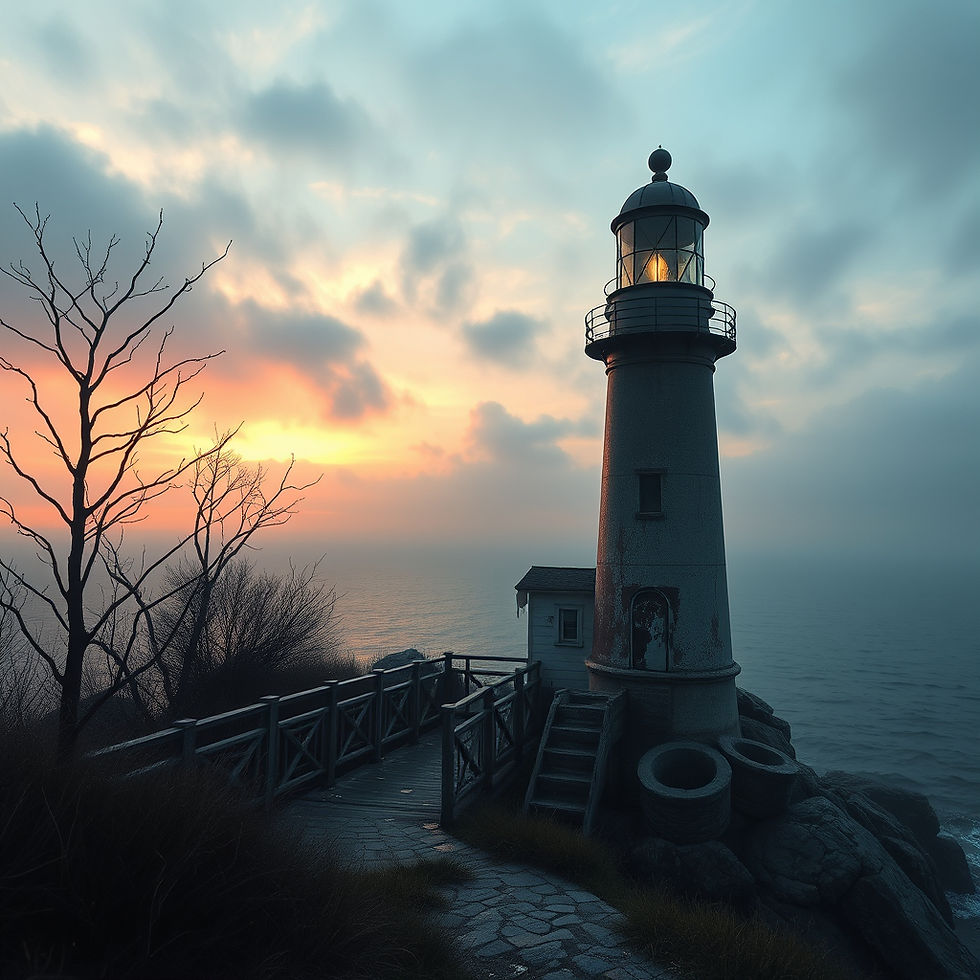
As someone deeply involved in arteserostek, I’ve had the chance to visit several haunted lighthouses and experience their atmosphere firsthand. The blend of history, isolation, and mystery creates a unique energy that’s hard to describe.
At the Ponce Inlet Lighthouse in Florida, I joined a night tour where guides shared chilling stories of ghostly sightings. The creaking of the old structure and the crashing waves outside made the experience immersive. I even captured some unexplained sounds on my recording device, which sparked lively discussions among fellow arteserostek enthusiasts.
These visits reveal how haunted lighthouses serve as a bridge between past and present, fact and folklore. They invite us to explore not just the physical structures but the stories and emotions tied to them.
Why Haunted Lighthouses Continue to Fascinate Adventurers
The allure of haunted lighthouses goes beyond simple ghost stories. For adventurers and arteserostek fans, these places offer:
A connection to history: Each lighthouse tells a story of human endurance and tragedy.
A sense of mystery: The unknown elements spark curiosity and imagination.
An opportunity for exploration: Remote locations and rugged terrain appeal to those seeking adventure.
A community: Shared experiences and stories create bonds among enthusiasts.
These factors combine to make haunted lighthouses enduring symbols of mystery and human spirit.
Final Thoughts on Haunted Lighthouses and Their Stories
Haunted lighthouses are more than just spooky tales. They are living monuments to history, human resilience, and the power of storytelling. The myths and folklore surrounding them have evolved alongside advances in technology and changes in culture, yet their core remains the same: a fascination with the unknown and a respect for those who lived and died in these lonely places.

For anyone drawn to arteserostek and the thrill of adventure, haunted lighthouses offer a unique experience. They challenge us to look beyond the surface and explore the stories that shape our understanding of the past and the mysteries that still linger.

DOWNLOAD THE PRESENTATION FOR THIS POST:::...
F.A:::....


Comments