


Exploring the Connection Between THERAGAMI Neuroplasticity and the Art of Origami
- Franco Arteseros
- 3 days ago
- 5 min read


The human brain constantly adapts and rewires itself in response to new experiences, a phenomenon known as neuroplasticity. This ability to change and grow is central to learning, memory, and recovery from injury. Recently, a novel approach called THERAGAMI has emerged, combining neurological studies with the traditional art of origami to enhance brain function and promote healing. This post explores how THERAGAMI bridges neuroplasticity and origami, revealing practical insights and potential benefits.


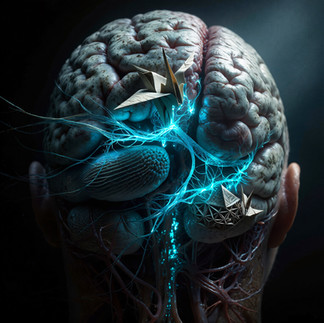


Understanding Neuroplasticity and Its Importance
Neuroplasticity refers to the brain's ability to reorganize itself by forming new neural connections throughout life. This process allows the brain to adjust to new learning, recover from injuries, and adapt to changes in the environment. Scientists have found that engaging in certain activities can stimulate neuroplasticity, improving cognitive function and emotional well-being.

Key aspects of neuroplasticity include:
Synaptic plasticity: Changes in the strength of connections between neurons.
Structural plasticity: Physical changes in the brain’s structure, such as the growth of new neurons or dendrites.
Functional plasticity: The brain’s ability to shift functions from damaged areas to healthy ones.
Neuroplasticity plays a crucial role in rehabilitation after strokes, brain injuries, and neurodegenerative diseases. It also supports lifelong learning and mental agility.
Origami as a Tool for Brain Stimulation
Origami, the Japanese art of paper folding, involves creating complex shapes from a flat sheet of paper through precise folds. This practice requires concentration, fine motor skills, spatial reasoning, and memory. These cognitive demands make origami an excellent exercise for the brain.

Research shows that origami can:
Enhance hand-eye coordination and manual dexterity.
Improve visual-spatial skills by mentally visualizing folds and shapes.
Boost attention and focus through step-by-step processes.
Encourage problem-solving and sequencing abilities.
Because origami engages multiple brain regions simultaneously, it can stimulate neuroplastic changes, especially when practiced regularly.
What is THERAGAMI?
THERAGAMI is an innovative therapeutic approach that combines the principles of neuroplasticity with the art of origami. It uses structured paper folding exercises designed to target specific brain functions and promote neural rewiring. The method integrates neurological insights with creative practice to support cognitive rehabilitation and mental health.

THERAGAMI sessions typically involve:
Guided origami tasks tailored to individual cognitive needs.
Gradual increase in complexity to challenge the brain.
Mindfulness and focused attention during folding.
Reflection on the process to reinforce learning.
This approach has been applied in clinical settings for patients recovering from neurological conditions, as well as for healthy individuals seeking cognitive enhancement.

How THERAGAMI Supports Neuroplasticity
THERAGAMI leverages origami’s cognitive demands to activate and strengthen neural pathways. Here are some ways it supports neuroplasticity:


Repetitive practice: Folding the same shapes repeatedly helps reinforce synaptic connections.
Progressive challenge: Increasing difficulty encourages the brain to adapt and form new networks.
Multisensory engagement: The tactile sensation of paper, visual patterns, and motor movements stimulate different brain areas.
Focused attention: Concentrating on folding tasks enhances neural efficiency and connectivity.
Emotional regulation: The calming nature of origami reduces stress, which benefits brain plasticity.
Studies have shown that patients using THERAGAMI experience improvements in motor skills, memory, and executive functions. The approach also encourages creativity and self-expression, which further supports brain health.

Practical Applications of THERAGAMI
THERAGAMI can be applied in various contexts to support brain function:
Stroke rehabilitation: Patients regain fine motor control and cognitive abilities through targeted folding exercises.
Dementia care: Origami activities help maintain cognitive skills and provide meaningful engagement.
Mental health: The meditative aspect of folding reduces anxiety and improves mood.
Education: Incorporating origami in classrooms enhances spatial reasoning and problem-solving skills.
Personal development: Practicing THERAGAMI can boost focus, patience, and creativity.
For example, a stroke survivor might start with simple folds to rebuild hand strength and gradually progress to complex models that challenge memory and sequencing. Therapists can customize sessions based on individual goals and abilities.


Tips for Getting Started with THERAGAMI
If you want to explore THERAGAMI on your own or with a therapist, consider these tips:
Begin with simple origami models like cranes or boats.
Use high-quality paper that is easy to fold and handle.
Focus on the process, not just the final product.
Practice regularly to encourage lasting brain changes.
Combine folding with breathing exercises to enhance relaxation.
Track your progress and celebrate small achievements.
Joining a group or class can provide social interaction and motivation, which also benefit brain health.

The Future of THERAGAMI and Neuroplasticity Research
As interest in non-pharmacological brain therapies grows, THERAGAMI offers a promising avenue for enhancing neuroplasticity through creative engagement. Ongoing research aims to:

Identify the specific neural mechanisms activated by origami.
Develop standardized protocols for different neurological conditions.
Explore digital and virtual reality adaptations of THERAGAMI.
Assess long-term benefits and optimal practice frequency.
Integrating THERAGAMI with other therapies, such as physical exercise and cognitive training, may provide comprehensive support for brain health.
Further Reading & Resources
If you are inspired by the "Agony" of Unamuno or looking to start your own "Theragami" journey, these digital resources offer the perfect next step.
The Philosophy of the Fold
The Tragic Sense of Life (Free E-Book)
The "Why": Unamuno’s masterpiece on the human struggle for immortality. It provides the deep philosophical foundation for why "doing" and "creating" are the ultimate acts of defiance against despair.
Mist (Niebla) (Free E-Book)
The "What": The quintessential nivola. Read it to experience the moment a creation confronts its creator—a powerful metaphor for any patient working to reclaim their own life story after a medical crisis.
Life of Don Quixote and Sancho (Digital Archive)
The "How": Unamuno’s guide to "Spiritual Knight-Errantry." This is a must-read for anyone who believes that pursuing a "difficult" recovery is a heroic act of faith.
The Science & Practice of Recovery
Therapeutic Benefits of Origami (Resource Portal)
The Science: A curated hub from OrigamiUSA that explores how folding paper assists with hand-eye coordination, cognitive focus, and psychological wellbeing during rehabilitation.
Stroke-Friendly Folding Patterns (Downloadable PDFs)
The Practice: A library of high-contrast, large-print diagrams. For those in stroke recovery, we recommend starting with the "Simple Boat" or the "Drinking Cup" to build initial dexterity.
The Traditional Pajarita Guide (Interactive Tutorial)
The Goal: A step-by-step digital guide to folding the exact bird that Unamuno famously crafted in the cafés of Salamanca. This is the ultimate "graduation" project for your recovery journey.
Video Resources: Unamuno and the Art of the Fold
These videos provide visual context for Unamuno’s unique hobby and the traditional Spanish methods he championed.
Miguel de Unamuno: The Philosopher and his Pajaritas
The Content: A historical look at Unamuno’s life in Salamanca. It features footage and imagery of his original paper birds and explains why he considered "Cocotología" a serious intellectual pursuit.
How to Fold the Spanish Pajarita (Traditional)
The Content: A clear, step-by-step tutorial on the exact bird Unamuno folded. This is the "Pajarita de las Nieves," the classic form that served as his primary philosophical metaphor.
Unamuno’s Final Speech at Salamanca (Reenactment)
The Content: While not about paper folding, this provides the vital context of his "Agony." It depicts his famous 1936 confrontation, showing the "man of flesh and bone" standing up for his convictions.
The Philosophy of the Pajarita (Spanish with English Subs)
The Content: An exploration of how the simple act of folding represents Unamuno's larger existential themes: creating form out of the "mist" and the fragility of human existence.
Video Resource Summary Table
Video Title | Focus | Application for Readers |
Philosopher & Pajaritas | Historical Biography | Understanding the man behind the birds. |
Folding the Pajarita | Practical Tutorial | The first step in "Theragami" practice. |
Final Speech | Political/Moral Courage | Understanding the "Struggle" (Agon). |
Philosophy of the Fold | Intellectual Theory | Connecting the hand to the mind. |
F.A:::...


Comments